China Top 10 Double Wall Plastic Jar Advantages?

Time:2026-11-11 Author:Isabella
0%

Double-wall plastic jars are designed to protect more than a product’s appearance. Their inner and outer walls can create a sturdy feel, help cushion contents during everyday handling, and provide space for a polished finish. For creams, balms, and other personal-care products, that extra layer can also make the package feel substantial in the hand. Small details matter: a smooth rim, a well-fitting lid, and walls that resist dents can shape a customer’s first impression.

What are the advantages of double-wall plastic jars? The answer depends on the product, material, and manufacturing quality. A double wall may improve perceived durability and offer room for decorative effects, while remaining lighter than many glass alternatives. It is not automatically the best choice. Extra material can increase package weight, and some designs may be harder to recycle when their components use different plastics. Those trade-offs deserve a closer look.

A reliable expert quotation needs a verifiable source. No article or named expert was provided, so attributing an invented statement would risk misleading readers. As a practical design principle, packaging should protect the product while fitting its filling process, use case, and end-of-life plan. The sections ahead explore ten potential advantages, with attention to performance and limitations alike. Not every jar performs equally. The details matter.
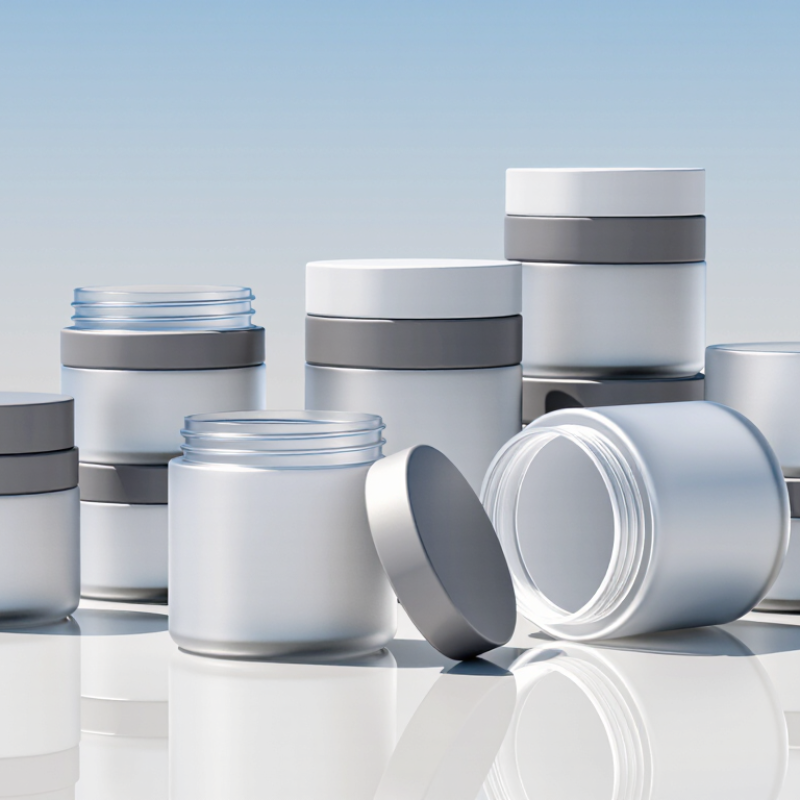
China Top 10 Double Wall Plastic Jar Advantages?

What Are Double-Wall Plastic Jars?

A double-wall plastic jar has two layers: an inner container that holds the product and an outer shell surrounding it. A small gap separates the walls, giving the jar a thicker, more substantial feel. Some designs also use the space for decoration or added structure. It is not automatically insulated like a vacuum flask. That distinction matters.

These jars are common for creams, balms, powders, and other products that need a wide opening. The inner wall helps contain the contents, while the outer wall can create room for a smooth, polished look. Depending on the design, the jar may use materials such as polypropylene or PET-based plastic. The exact material and wall thickness affect weight, clarity, and durability. A sturdy-looking jar can still have a weak lid or thin base. Not every design performs the same.

Tips: Check that the lid threads on evenly and the inner container has no sharp edges. If you are evaluating a sample, fill it and leave it upright overnight. Look for leakage, warping, or a lid that loosens. Small flaws can be easy to miss.

How Are Double-Wall Plastic Jars Designed and Made in China?

Double-wall plastic jars made in China usually begin with a clear design brief: capacity, neck size, closure style, and the product they will hold. Engineers then develop separate inner and outer walls, often using injection molding. The inner jar contains the product, while the outer shell creates an insulating air gap and a fuller appearance. The two parts may be joined by a fitted base, threaded connection, or other molded feature. Small details matter.

Before mass production, a factory typically reviews drawings and makes trial samples. Teams check dimensions, wall thickness, lid fit, surface finish, and whether the jar stands evenly on a flat surface. Resin choice also matters. It affects clarity, stiffness, weight, and compatibility with the intended contents, so buyers should confirm suitability through testing rather than appearance alone.

Once the sample is approved, production uses controlled molding cycles, followed by trimming, assembly, and inspection. Workers may check for sink marks, flash, weak joints, or caps that loosen too easily. A practical test is to fill and close sample jars, then inspect them after handling and storage. Not every design works perfectly on the first try. A thicker outer wall can feel sturdy, but it may add weight and cost; that trade-off deserves a second look.

China Double-Wall Plastic Jars: Material Choices and Design

Typical Density of Plastics Used for Packaging

Typical resin density helps inform material selection and package weight. Approximate values are shown; actual density varies by grade and formulation. Double-wall jar construction and material combinations vary by product.

What Are the Top Ten Advantages of Double-Wall Plastic Jars?

Double-wall plastic jars provide a layer of air between their inner and outer walls. This can slow temperature changes during brief handling, though it does not replace proper storage. The outer surface may collect less condensation when holding cool contents. It can also feel more comfortable in the hand. A second wall adds structure and may help cushion minor knocks. Not a guarantee against breakage.

Plastic is generally lighter than glass, making filled jars easier to carry and ship. Many designs can be reused when their materials and cleaning instructions allow it. The outer wall also creates room for color, texture, and printed details. Some designs use an opaque layer to limit light exposure; others keep contents visible. That choice should match the product.

The extra layer can give a jar a fuller, more substantial appearance on a shelf. It may also help keep labels or decoration separate from the inner container. For makers, the space between walls offers design flexibility. The trade-off is real: double-wall jars can use more material and may be harder to recycle than single-wall containers. Check the jar’s care guidance, closure fit, and intended use before choosing one.

Which Industries Use Double-Wall Plastic Jars?

Double-wall plastic jars are common in skincare and cosmetics, where appearance and everyday handling both matter. Creams, body butters, masks, and exfoliating scrubs often need wide openings for clean, easy access. The outer wall can create a substantial feel and conceal an inner container, while the space between walls may help limit rapid temperature changes. It is not a substitute for controlled storage.

Personal-care and hair-care manufacturers also use these jars for styling creams, conditioners, and scalp treatments. A salon shelf may hold several jar sizes, each with a screw-top lid that helps reduce spills during transport. Material compatibility still matters: oils, fragrances, and active ingredients can interact with some plastics. Testing the actual formula in its intended packaging is a sensible step.

Food businesses may choose double-wall jars for products such as spreads, powdered mixes, or confectionery, provided the packaging is made from suitable food-contact materials. Household and craft suppliers use them for items like bath salts, beads, and small decorative supplies. Small detail. A double wall may improve grip, but it does not automatically make a jar leakproof or recyclable. Those properties depend on the full design, material, closure, and local recycling options.

China Top 10 Double Wall Plastic Jar Advantages? - Which Industries Use Double-Wall Plastic Jars?

No. Advantage Practical Benefit Industries and Typical Uses
1 Premium appearance The outer wall can create a substantial, polished look while leaving room for color and finish choices. Beauty and personal care: facial creams, moisturizers, masks, and body butter.
2 Space for decoration The jar’s exterior can support printed, labeled, or molded visual details, subject to the chosen material and process. Cosmetics, hair care, and personal care products that use branded or product-identifying packaging.
3 Added structural support An outer wall may help protect the inner container from everyday handling; actual impact performance depends on the design and resin. Travel-size toiletries, skincare, and other consumer products subject to frequent handling.
4 Potential light shielding Opaque or colored walls can reduce light exposure. The level of protection depends on material, color, and construction. Personal care and selected household products for which limiting light exposure is useful; compatibility should be tested.
5 Design flexibility Different shapes, capacities, colors, and surface finishes can be developed to suit a product range. Beauty, salon, spa, and personal care product lines.
6 Separate inner and outer components Some designs allow the inner cup and outer shell to use different colors or materials, depending on the construction. Cosmetics and personal care, where a distinct interior and exterior appearance is desired.
7 Lightweight packaging option Plastic jars are generally lighter than glass jars of comparable capacity, which can make handling easier; results vary by design. Travel toiletries, cosmetics, and household products sold in portable formats.
8 Compatibility with varied closures A jar can be paired with suitable screw caps or other closure styles. Leak resistance depends on the closure, liner, and fit—not the double wall alone. Skincare, hair care, personal care, and household products requiring a matched jar-and-closure system.
9 Convenient access to contents The wide opening common to jar formats makes many creams, balms, and pastes easy to access and dispense by hand or tool. Beauty and personal care, including creams, styling products, and solid balms.
10 Opportunity for material selection Material choices can be evaluated for product compatibility and recycling requirements; recyclability depends on the resin, components, and local collection systems. Cosmetics, personal care, and household goods, with material selection based on product and end-of-life requirements.

Note: Double-wall construction does not by itself guarantee insulation, an airtight seal, product compatibility, or recyclability. Confirm performance through packaging and product testing.

How Can Buyers Choose the Right Double-Wall Plastic Jar?

Choosing the right double-wall plastic jar starts with the product, not its appearance. Check the formula’s viscosity, ingredients, and expected storage conditions. A thick cream may need a wide opening, while a lighter lotion may work better with a controlled dispenser. Match jar capacity and height to the amount customers use; an oversized package can leave product difficult to reach. Small details matter.

Inspect the inner jar, outer shell, lid, and liner as a complete system. The double wall can improve grip and give the package a substantial feel, but it does not guarantee a specific level of insulation or protection. Ask for material and compatibility information, then test samples with your actual formula. Look for leakage after repeated opening, residue around the rim, and changes in color or scent during storage. Run a filling-line trial too. A jar that looks elegant on a desk may jam a fast production line. That is easy to overlook.

Consider shipping and everyday handling. Compare sample jars for weight, stacking stability, lid fit, and resistance to scuffing. Test them in a carton that reflects real transit conditions. If decoration is important, check whether labels or printing remain clear after handling. A modest sample test may reveal more than a polished specification sheet. Perfect packaging is rare; choose the trade-offs your product and customers can accept.

FAQS

What is a double-wall plastic jar?

It has an inner container and a surrounding outer shell. A small gap separates the walls, creating a thicker feel.

Does the space between the walls provide insulation?

Not necessarily. The gap does not make the jar equivalent to a vacuum flask.

What products commonly use these jars?

They often hold creams, balms, and powders. A wide opening can make thicker products easier to reach.

Which materials may be used?

Designs may use polypropylene or PET-based plastic. Material choice affects weight, clarity, and durability.

How are double-wall jars made?

Separate inner and outer parts are often injection molded. They may connect through a fitted base, threaded joint, or molded feature.

What should I check when testing a sample?

Fill it and leave it upright overnight. Check for leaks, warping, loose lids, and sharp inner edges.

How can I tell whether a jar suits my formula?

Test samples with the actual product. Watch for residue around the rim or changes in color and scent during storage.

What should I consider before choosing a jar?

Compare capacity, weight, lid fit, stacking stability, and scuffing. An elegant sample may still cause trouble on a filling line.

Does a thicker outer wall always mean better quality?

No. It may feel sturdier, but can add weight and cost. That trade-off deserves a second look.

Conclusion

Double-wall plastic jars feature an inner container and an outer wall that create a layered structure. In China, they are commonly designed by selecting suitable materials, shaping the jar components, and assembling them to achieve a practical balance of appearance, durability, and usability. What are the advantages of double-wall plastic jars? Their layered construction can improve insulation, add strength, support a premium look, and provide a comfortable grip. These jars can also be lightweight, reusable, easy to customize, and compatible with a range of closures and finishes.

Their versatility makes them useful for personal care, cosmetics, household products, and other everyday packaging needs. Buyers choosing a jar should consider its capacity, dimensions, material, closure, product compatibility, decoration options, and intended use. They should also assess manufacturing quality, order requirements, and shipping considerations to find a design that meets functional needs while presenting the product clearly and attractively.

Isabella

Isabella

Isabella is a dedicated marketing professional with a sharp focus on driving brand growth and engagement through strategic content creation. With an extensive background in digital marketing, she combines her passion for storytelling with her keen understanding of industry trends to deliver......