When considering the question, "What is the shelf life of skincare in a plastic jar vs bottle?", expert dermatologist Dr. Clara Yang emphasizes the importance of packaging. She states, "The container plays a crucial role in preserving active ingredients." This highlights how choice in packaging can significantly affect product longevity.
Plastic jars and bottles each have unique attributes that impact their contents. For instance, jars often expose the product to air and light every time they are opened. This can lead to faster degradation. In contrast, bottles, especially opaque ones, offer better protection. However, some consumers prefer jars for ease of access.
Understanding shelf life is essential as it informs consumers about safety and efficacy. An expired product may not only lose effectiveness but can also irritate the skin. It's crucial to pay attention to packaging and storage conditions. The shelf life can vary widely based on these factors.
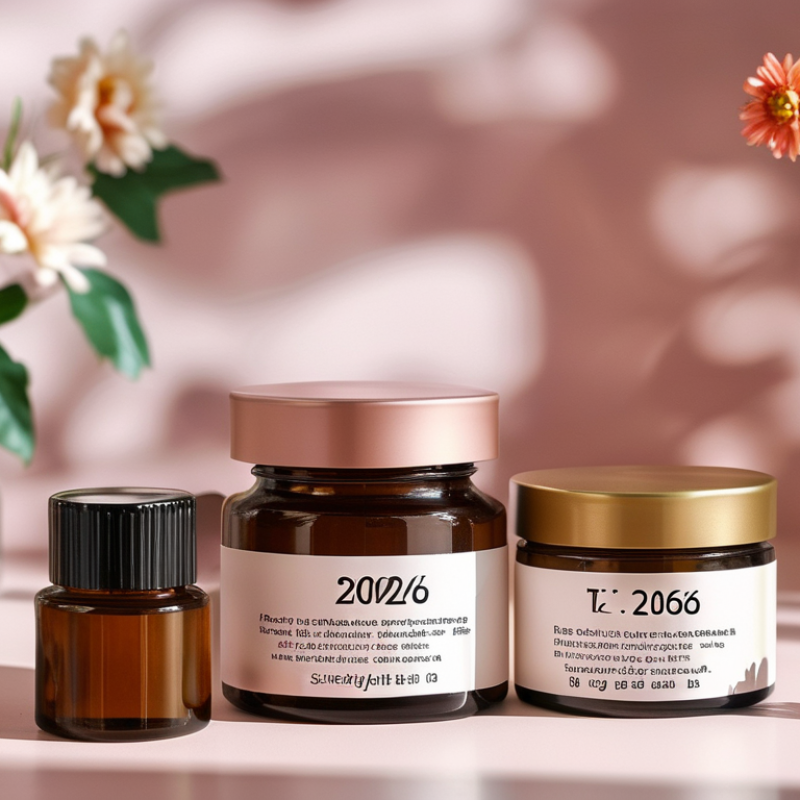
When it comes to skincare, packaging plays a crucial role in ensuring product efficacy. The choice between jars and bottles can greatly influence the shelf life of formulations.
Jars allow easy access and a visual appeal, but they expose products to air and light. Open jars can lead to contamination and spoilage. Each time you dip your fingers into a jar, you introduce bacteria. It raises concerns about how long the product remains effective.
On the other hand, bottles, especially those with pumps or airless designs, can minimize exposure. They keep formulations isolated from external factors, which helps preserve the product's integrity and prolongs its shelf life. However, not all bottles are created equal. Some may be made from materials that react with the formulation, compromising quality over time. Understanding these dynamics is essential for consumers.
It's important to consider how packaging interacts with ingredients. Not all products have the same stability concerns.
For instance, vitamin C is sensitive to light. A dark bottle might safeguard it better than a clear one. Users should pay attention to packaging, expiration dates, and signs of spoilage. It's about finding a balance between convenience, presentation, and longevity. Engaging with these aspects can lead to better skincare choices.
When comparing plastic jars and bottles for skincare, understanding material properties is essential. Plastic jars often feature thicker walls. This can provide durability and protection against external elements. However, they can also hold moisture, leading to a shorter shelf life for certain products. The air inside jars can promote oxidation, altering the product’s effectiveness over time.
On the other hand, bottles typically have a more airtight seal. This feature can help preserve the active ingredients in skincare formulations. Bottles are often lighter and easier to transport. But, not all bottles are created equal; some may have less robust materials. Frequent opening and closing also introduce air, which can affect product quality.
Ultimately, the choice between jars and bottles can depend on specific product needs. Users may find that certain formulations work better in one type of container. There’s no clear winner; each option has its pros and cons. It’s crucial to consider how storage and exposure can affect your skincare routine over time.
The shelf life of skincare products is crucial for ensuring effective results. Several factors influence how long these products remain safe and effective. For instance, exposure to light and air can degrade essential ingredients. A study from the Journal of Cosmetic Science reveals that antioxidants like Vitamin C can lose potency within a few months if exposed to UV light. Proper storage can significantly enhance product lifespan.
Packaging type also plays a vital role in shelf life. Plastic jars often expose products to contamination from users' fingers. In contrast, airless bottles can reduce this risk. According to the International Journal of Cosmetic Science, airless packaging can extend the shelf life of certain formulations by up to 25%. Yet, the materials used in packaging can also react with the formulas. This interaction may lead to changes in color and consistency, prompting users to discard products sooner than intended.
Formulation itself matters too. Products with natural preservatives tend to have shorter shelf lives. The Natural Product Journal states that while natural preservatives are safer, they do not provide the same longevity as synthetic options. This reality requires consumers to be vigilant. Checking expiration dates and being aware of sensory changes can prevent the use of ineffective or even harmful products.
| Product Type | Average Shelf Life (Months) | Material Benefits | Environmental Impact |
|---|---|---|---|
| Plastic Jar | 12 - 18 | Lightweight, Versatile, Affordable | Recyclable, but may contribute to plastic waste |
| Plastic Bottle | 10 - 12 | Squeezable, Lightweight, Leak-proof | Recyclable, often less waste than jars |
| Glass Jar | 24 - 36 | Non-reactive, Premium Feel, Recyclable | Recyclable, but heavier and more fragile |
| Glass Bottle | 18 - 24 | Protects from UV, High-end Appearance | Recyclable, but heavier and breakable |
Storing skincare products properly is crucial for maintaining their effectiveness. Glass bottles can prevent light exposure and air interaction, prolonging product shelf life. According to a report from the International Journal of Cosmetic Science, products in opaque glass can last up to 12 months longer than those in transparent packaging. However, not all skincare products benefit from being in glass.
Plastic jars are often used for thicker creams and balms. These jars can be more affordable and lighter, but they may not provide the same barrier against air and light. A study published by the Society of Cosmetic Chemists highlighted that products in plastic can degrade faster, particularly those containing active ingredients like retinol or vitamin C. When using plastic, it’s important to store products in a cool, dark place to minimize degradation.
Users often overlook the importance of checking expiration dates. Even if a product looks and smells fine, it can lose potency over time. A survey conducted by the American Academy of Dermatology found that 35% of consumers use products past their expiration date. Adopting better storage habits, such as closing lids tightly and avoiding high temperatures, can greatly improve product longevity.
Consumer preferences in skincare packaging often tilt towards jars or bottles. According to a 2022 industry report, 68% of consumers prefer jars for moisturizers. Jars offer a tactile experience. They also allow users to gauge the product amount easily. However, jars may compromise product integrity. Exposure to air can lead to oxidation. This results in reduced efficacy, especially for potent ingredients.
On the other hand, bottles—particularly those with pumps—are gaining traction. A study showed that 32% of skincare users favored bottles. Pumps minimize product exposure to air. This can help in preserving the integrity of sensitive ingredients like vitamin C. Furthermore, bottles often contribute to a sleek aesthetic appealing to younger consumers. Yet, the downside is that bottles can sometimes be less user-friendly for getting the last remnants of product.
Ultimately, the choice between jars and bottles is complex. It reflects individual preferences, usability, and product types. Many consumers remain unaware of how packaging affects product performance. This gap in understanding highlights the need for better education on skincare storage solutions. The debate continues as brands seek to balance functionality and consumer appeal in a rapidly evolving market.
: Plastic jars have thicker walls, providing durability but can trap moisture. Bottles typically seal better, keeping ingredients fresh.
Packaging impacts shelf life significantly. Jars expose products to contamination while airless bottles reduce this risk.
Natural preservatives are safer but offer shorter shelf lives compared to synthetic options. Vigilance is necessary to avoid ineffective products.
Many consumers prefer jars, especially for moisturizers, due to tactile use. However, they may compromise the product’s integrity over time.
Exposure degrades essential ingredients. Antioxidants like Vitamin C can lose potency quickly, especially under UV light.
Not necessarily. While pumps in bottles reduce air exposure, some bottles may be hard to use when retrieving the last of the product.
Yes, certain materials can change a product’s color and consistency, leading to earlier disposal than intended.
Definitely. Expiration dates and awareness of sensory changes can help avoid using potentially harmful products.
Proper storage away from light and air can enhance the lifespan of products and maintain their effectiveness.
Many consumers are unaware of how packaging affects product performance, highlighting the need for better education in skincare storage.
The article "2026 Best Skincare Shelf Life Plastic Jar vs Bottle?" delves into the crucial concept of shelf life in skincare products, highlighting the significant role that packaging plays in maintaining product integrity. It compares plastic jars and bottles, examining their material properties and how these influence the overall shelf life of skincare items. Factors such as exposure to light, air, and contamination are discussed as key elements that affect how long skincare formulations remain effective.
Furthermore, best practices for storing skincare products are outlined, emphasizing the importance of proper storage conditions for different packaging types. Consumer preferences for either jars or bottles are also explored, providing insights into why certain packaging may appeal more to users. Ultimately, the article seeks to answer the question, "What is the shelf life of skincare in a plastic jar vs bottle?" by considering these various aspects, helping consumers make informed choices about their skincare products.
