When considering cream storage, the choice of plastic plays a crucial role in preserving quality. What is the best plastic type for long-term cream storage? Research indicates that certain plastics can enhance longevity and maintain flavor integrity. For instance, high-density polyethylene (HDPE) and polypropylene (PP) are often recommended by food safety experts for their durability and resistance to moisture.
According to a report by the Food Packaging Association, selected plastics can significantly reduce spoilage rates, ensuring that cream retains its freshness. A study revealed that products stored in HDPE retained up to 90% of their original quality over six months. Such statistics underscore the importance of material choice in food storage.
However, while many plastics offer benefits, it’s essential to acknowledge their limitations. Not all plastics can maintain long-term freshness due to factors like UV exposure and temperature fluctuations. Experts suggest regular evaluations of storage practices to ensure optimal cream preservation. Thus, understanding the best plastics for cream storage is not merely practical; it’s vital for achieving the best culinary results.
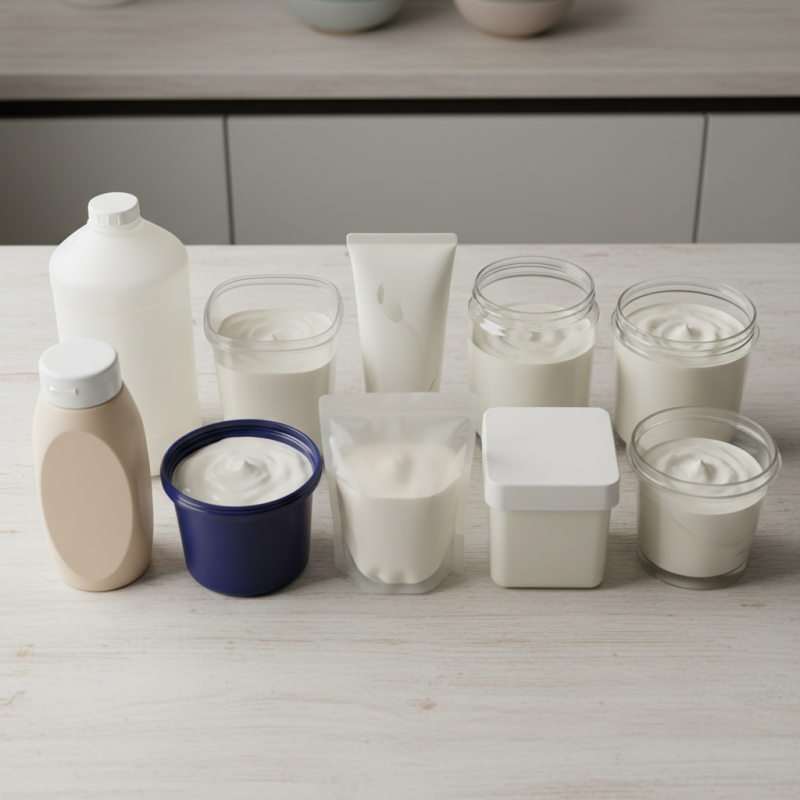
Choosing the right plastic type for cream storage is crucial. Different plastics offer varying levels of protection against moisture, light, and air exposure. Polypropylene (PP) is often preferred due to its excellent moisture barrier properties and resistance to thermal stress. A study from the Plastics Industry Association indicates that PP containers can maintain the quality of cream for longer periods.
Polyethylene terephthalate (PET) is another popular choice. It provides good clarity and is recyclable, making it environmentally friendly. However, some brands have found that it may not protect cream as effectively as PP. This inconsistency raises questions about its reliability for long-term storage. A survey revealed that nearly 37% of consumers are unaware of these differences when selecting containers.
Understanding these materials can help consumers make informed decisions. Not all plastics are created equally. Some can leach chemicals into food products over time. This risk is particularly important for sensitive substances like cream. A report from the National Institutes of Health highlighted that proper storage containers can significantly impact the shelf life of dairy products. By making smarter choices, consumers can protect the quality and safety of their cream.
When looking at plastic types for long-term cream storage, it’s vital to understand their properties. Some plastics are better for food safety than others. Polyethylene (PE) is common and safe for low temperatures. It’s flexible, making it great for containers. However, it can degrade over time, especially with heat.
Polypropylene (PP) is another solid choice. It withstands higher temperatures without leaching harmful substances. This makes it suitable for hot creams. But it can become brittle if exposed to cold for too long. Polystyrene (PS) is lightweight but less durable. It can absorb flavors and odors, which may affect food quality.
The impact of plastic on health is a concern. While many plastics are deemed safe, some may still leach substances into food. Awareness of storage conditions, such as temperature and light exposure, is critical. For example, blue or black containers may limit light exposure, helping preserve the cream longer. Each type of plastic has its pros and cons. Understanding these can help make better choices for long-term cream storage.
| Plastic Type | Properties | Best Uses | Temperature Resistance (°C) | Recyclability |
|---|---|---|---|---|
| PETE (Polyethylene Terephthalate) | Strong, lightweight, good barrier against moisture; can be recycled. | Bottles, food containers, cream jars. | -40 to 70 | Yes |
| HDPE (High-Density Polyethylene) | Sturdy, resistant to impact, and does not absorb flavors. | Grocery bags, bottles, and containers. | -40 to 60 | Yes |
| PVC (Polyvinyl Chloride) | Durable, versatile but can leach harmful chemicals. | Pipes, bottles, and food wraps. | -15 to 60 | No |
| LDPE (Low-Density Polyethylene) | Flexible, resistant to moisture; less sturdy than HDPE. | Bags, flexible containers. | -50 to 60 | Yes |
| PP (Polypropylene) | Tough, heat resistant, good barrier to moisture. | Containers, jars, and lids. | -20 to 120 | Yes |
| PS (Polystyrene) | Brittle, provides good insulation but is not very durable. | Containers and disposable cutlery. | -40 to 80 | No |
| PC (Polycarbonate) | Strong, shatter-resistant but contains BPA. | Bottles, kitchenware. | -40 to 130 | No |
| TPE (Thermoplastic Elastomer) | Elastic, flexible, provides a rubber-like feel. | Seals, gaskets, and flexible storage containers. | -20 to 70 | Yes |
| PLA (Polylactic Acid) | Biodegradable, made from renewable resources, low thermal resistance. | Biodegradable containers and cutlery. | -20 to 60 | Yes |
When selecting plastic for long-term cream storage, several factors are critical to ensure safety and effectiveness. First, consider the material's permeability to oxygen and moisture. High-density polyethylene (HDPE) is often preferred due to its low permeation rates, thereby extending shelf life. According to a study by the Packaging Technology and Science journal, HDPE minimizes chemical reactions that can spoil dairy products.
Another essential factor is temperature stability. Plastics like polypropylene (PP) have excellent thermal resistance and can withstand freezing temperatures, which is crucial if storage conditions fluctuate. A report from the Journal of Dairy Science indicated that improper storage can lead to cream spoilage in as little as two weeks, emphasizing the importance of choosing the right plastic.
Finally, consider whether the plastic is BPA-free. Bisphenol A has known health risks, and creams can absorb chemicals from containers. Research published in Environmental Health Perspectives shows that BPA exposure is linked to various health issues. Thus, opting for plastics free of harmful chemicals is essential in achieving safe, long-term cream storage.
When it comes to storing cream long-term, choosing the right plastic is essential. Many plastics are suitable, but safety and durability are key factors. Polypropylene (PP) is a popular choice for cream storage. It’s resistant to heat and chemicals. This means it won’t break down easily, ensuring your cream stays fresh. High-density polyethylene (HDPE) offers another excellent option; it is lightweight and robust. This plastic also provides UV protection, safeguarding the cream from light damage.
However, not all plastics are created equal. Some may leach harmful substances over time. Polycarbonate, for instance, can release BPA, a chemical questioned for its safety. Users should consider this risk when selecting their storage material. While clear plastic containers offer visibility, opaque options may provide better protection from light exposure, prolonging shelf life. Always inspect containers for cracks or warping, as these defects can compromise structural integrity and safety.
In addition to safety, consider ease of cleaning. Smooth surfaces are easier to maintain and less likely to harbor bacteria. You might even experiment with various types to find your best match. Have alternatives on hand. Sometimes, what works today may not be ideal tomorrow. Balancing longevity, safety, and practicality is a continuous process.
When storing cream in plastic containers, it's crucial to consider plastic types. Some plastics leach harmful substances over time. Choose materials like HDPE or PET for better safety. These types are generally more stable and less likely to interact with food.
Proper cleaning and handling are essential. Start with sterilized containers to reduce bacteria growth. Always keep cream refrigerated. If using larger containers, consider dividing into smaller portions. This minimizes exposure to air and light, both of which can spoil cream faster.
Check for signs of spoilage regularly. Cream may develop an off smell or color if it's going bad. Resealing containers tightly helps maintain freshness. On occasion, some creams might harden or separate. Reflections on these experiences will enhance your storage methods over time.
: Polyethylene (PE) is common and safe for low temperatures. It is flexible, making it ideal for containers.
Polypropylene (PP) withstands higher temperatures without leaching harmful substances. It is suitable for hot creams.
Some plastics may leach harmful substances into food. Awareness of storage conditions is crucial for safety.
Light exposure can spoil cream. Blue or black containers limit this exposure, preserving quality longer.
BPA is linked to health risks. Using BPA-free options helps ensure safe cream storage without harmful chemicals.
Low permeation rates, like those in HDPE, extend shelf life by minimizing chemical reactions that spoil dairy products.
Yes, improper storage can cause spoilage in two weeks. Temperature stability is crucial for effective long-term storage.
Always check for cracks or warping. These defects can compromise the container's structural integrity and safety.
Opaque containers provide better protection from light exposure. Clear containers offer visibility but may not preserve quality well.
Yes, it’s beneficial to test various types to find what works best for your needs. Options can change over time.
In the quest for the best plastic type for long-term cream storage, it is essential to understand the significant role that different plastics play in maintaining freshness and safety. Commonly used plastics, such as polyethylene and polypropylene, each possess unique properties that influence their suitability for food storage. Factors like temperature resistance, chemical stability, and permeability to air and moisture should be considered to ensure optimal preservation of cream.
The article ranks the top 10 plastics for safety and durability in cream storage, emphasizing the importance of selecting the right material. Best practices for storing cream in plastic containers, such as proper sealing and keeping them in a cool environment, are also highlighted. Ultimately, understanding what is the best plastic type for long-term cream storage can significantly extend the life of the product while maintaining its quality.
