Plastic bottles are ubiquitous in our daily lives. Yet, concerns about their safety often arise, particularly regarding bisphenol A (BPA). Many consumers wonder how to tell if a plastic bottle is BPA-free. It’s crucial for health-conscious individuals to understand this issue.
BPA is an industrial chemical linked to various health risks. Commonly found in plastics, its presence raises alarms among many. Reading labels is a starting point. Look for “BPA-free” clearly marked. However, not all bottles disclose this information, which complicates matters.
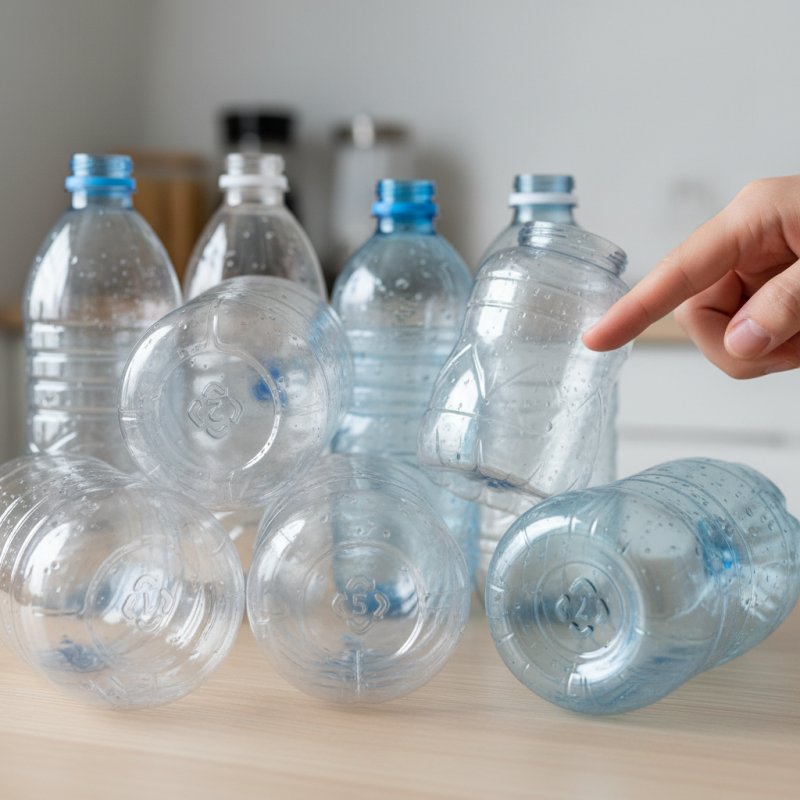
Another method involves checking the recycling code. Bottles labeled with codes 1, 2, 4, 5 are generally safer. In contrast, codes 3 and 7 may contain BPA. Still, some bottles with these codes can be BPA-free. This inconsistency often leads to confusion. Ultimately, being informed empowers consumers to make safer choices.
Understanding BPA and Its Health Implications
BPA, or bisphenol A, is a chemical commonly found in many plastics. It is often used in the production of containers, including bottles. Research suggests that BPA can seep into food or beverages, potentially impacting human health. Concerns include hormonal disruptions and possible links to various health issues, such as obesity and reproductive problems. Understanding BPA is essential for making informed choices.
To determine if a plastic bottle is BPA-free, look for specific labels. Many manufacturers mark their products clearly. Recyclable plastics can also offer clues. Plastics marked with the number 1, 2, 4, or 5 are typically BPA-free. However, this is not a foolproof method; sometimes, manufacturers don't disclose BPA usage. Keep in mind that while many alternatives exist, some may not be completely safe either.
Awareness is vital.
Regularly evaluate the plastic items you use. If unsure, consider alternatives like glass or stainless steel. These options can provide reassurance. BPA-free does not always equal safe. The world of plastics is complex. It's essential to stay informed and question what you consume. Make conscious choices for better health.
Identifying Plastic Bottle Types and Recycling Codes
When determining if a plastic bottle is BPA free, it’s essential to understand plastic types and their recycling codes. BPA, or bisphenol A, is commonly found in polycarbonate plastics and some epoxy resins. Most plastic bottles are labeled with recycling codes, which indicate their material type. Familiar codes include 1 (PETE), 2 (HDPE), and 3 (PVC). Bottles with codes 1, 2, and 4 are typically BPA free, while those made from code 7 can contain BPA. According to a report from the American Chemistry Council, about 70% of plastic bottles are made from these safer types.
When examining the bottle, look for the number inside the recycling triangle. This small detail can guide consumers in making healthier choices. Unfortunately, many consumers overlook these codes. Studies suggest that nearly 56% of buyers cannot identify BPA-containing plastics. This gap highlights the need for better awareness. Consumers should not only rely on labels. They should also consider purchasing bottles specifically labeled as BPA free, especially for food and beverage storage.
Awareness of BPA and its impact is on the rise. The World Health Organization notes that BPA can leach into food and beverages, creating potential health risks. While ongoing research clarifies its effects, knowledge of plastic types remains crucial for informed choices. Adopting a proactive approach can contribute to better health and environmental outcomes.
Steps to Check for BPA-Free Labels on Plastic Bottles
Many plastic bottles are made with chemicals that can be harmful. One of these chemicals is BPA or bisphenol A. It is essential to check if a plastic bottle is BPA-free for health reasons. Here are steps to look for BPA-free labels on plastic bottles.
Check the bottom of the bottle for recycling codes. Numbers 1, 2, 4, and 5 are typically free of BPA. The most common codes indicating BPA presence are 3 and 7. Pay attention to labels. Some manufacturers prominently mark their products as "BPA-free." This label is often accompanied by third-party certifications.
Tip: Use a magnifying glass if necessary to read the small print. Avoid bottles with unclear labeling or no recycling code. Consider alternatives. Glass or stainless steel bottles may be a safer option. Recent studies suggest that exposure to BPA can cause hormonal disruptions and adverse health effects. Being informed is vital for making safe choices.
Look for BPA-free certifications from reputable organizations. They provide reliable assurance about the safety of the product. Always research before purchasing. Remember that not all plastics are created equal. It is essential to stay vigilant about the potential risks associated with plastic products.
Alternative Methods to Test for BPA in Plastics
Determining if a plastic bottle is BPA-free can be challenging.
While looking for recycling codes is helpful, there are other alternative methods to test for BPA in plastics. Research by the Centers for Disease Control and Prevention indicates that BPA exposure is quite prevalent, especially among children. Many households aim to use safer alternatives.
One of the most effective home tests involves using a BPA detection kit. These kits can provide quick results. They usually include special strips that change color in the presence of BPA. It’s an easy way to assess your plastic containers. Another method involves using food-safe lab testing services. While it may not be practical for everyone, this option provides highly accurate results.
Tip: Always check for “BPA-free” labels when purchasing plastic products. This label indicates that the manufacturer has taken steps to eliminate harmful chemicals. However, not all plastics are labeled, so it’s wise to remain cautious. Store your food in glass or stainless steel whenever possible. These materials eliminate BPA worries, and there’s a growing body of research supporting safer storage options.
Choosing Safe Bottles: Best Practices for Consumers
When choosing plastic bottles, safety is a primary concern for consumers. Many people are unsure if a bottle is BPA-free. One effective method is to look for labels on the bottle. These labels often indicate whether the material contains BPA. Knowing what to look for can help avoid harmful chemicals.
It's also crucial to consider the type of plastic used. Bottles made from polyethylene (like PET), or polypropylene, are generally safe options. However, avoid bottles using polycarbonate, which often contains BPA. If you’re buying a reusable bottle, check if it’s marked as BPA-free. Many manufacturers now provide this information to help consumers make informed choices.
Keeping bottles clean is vital, too. Sometimes, chemicals leach into the liquid, especially when bottles are heated or scratched. Regularly inspect your bottle for any wear and tear. Discard any bottle that appears damaged. This simple practice can further ensure your health and safety. Balancing convenience with safety is essential in today’s world.
Plastic Bottle BPA Free Assessment
Conclusion
When considering how to tell if a plastic bottle is BPA-free, it's essential to understand the implications of BPA (bisphenol A) on health. BPA is a chemical often found in plastics, which can leach into food and beverages, potentially leading to health risks. To identify whether a plastic bottle contains BPA, consumers should familiarize themselves with the types of plastics and their associated recycling codes. Bottles marked with recycling codes 1, 2, 4, and 5 are generally considered safe and BPA-free, while those with codes 3, 6, and 7 may contain or be made with BPA.
To further ensure safety, consumers should look for BPA-free labels on packaging. Additionally, alternative testing methods can provide further assurance of a bottle's safety. Ultimately, practicing best habits when choosing plastic bottles—such as opting for glass or stainless steel alternatives when possible—can contribute to healthier choices and minimize exposure to harmful chemicals.

 Vikas Plastic