Cleaning and sanitizing plastic cosmetic bottles is essential for maintaining hygiene and ensuring product integrity. Many users may wonder, "How to properly sanitize plastic cosmetic bottles for refill?" This process requires careful attention to detail. If not done correctly, harmful bacteria may thrive in leftover product residues.
Start by rinsing the bottles with warm water. This helps to loosen any stubborn remnants inside. Next, choose a safe sanitizer. A mixture of water and vinegar works well. Allow the bottles to soak for at least thirty minutes. This step is crucial for effective sanitation.
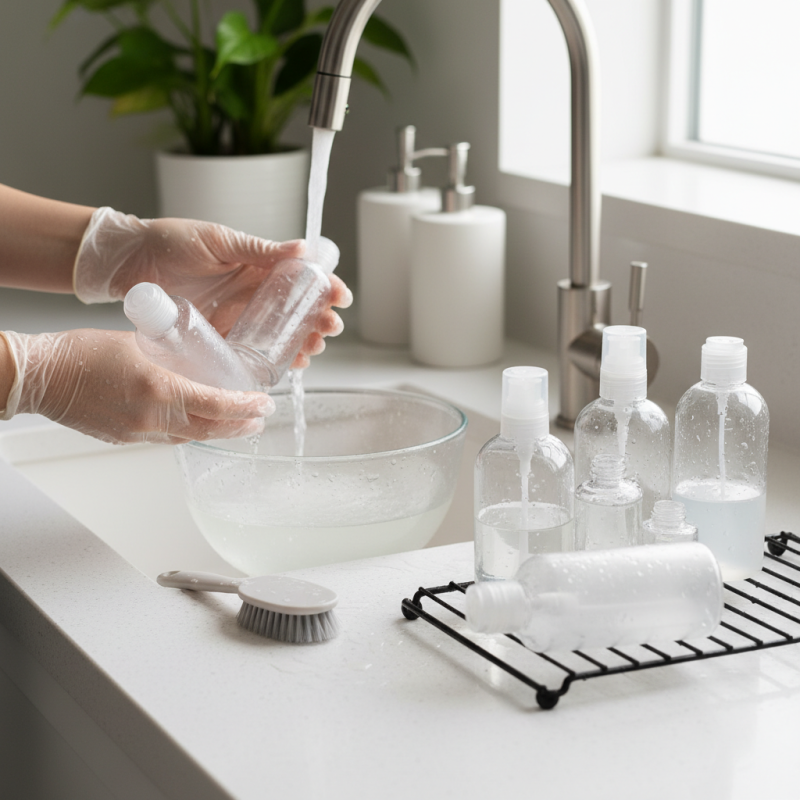
After soaking, scrub the bottles with a soft brush. Pay close attention to the neck and any crevices. Rinse thoroughly with clean water to remove all traces of the cleaner. It’s essential to check for any remaining smells or residues. For the best results, air dry the bottles completely before refilling. It’s a simple yet vital process that ensures your cosmetic products remain safe and effective for use.
Cleaning cosmetic bottles is crucial for many reasons. First, these bottles often harbor bacteria from previous products. Using unclean bottles can lead to skin irritations or infections. Staying aware of these risks is essential if you want to protect your skin.
Sanitizing plastic bottles goes beyond aesthetics. The transfer of substances can cause unwanted reactions. Ensuring the bottles are clean helps maintain the integrity of your new products. Residues can affect the quality and performance of the refills. This may lead to disappointment if the product doesn’t work as it should.
Some people overlook the importance of this step. They assume a quick rinse is sufficient. However, a thorough cleaning process is necessary for safety. Using hot water and soap is a starting point, but further sanitization may be needed. Consider using vinegar or a diluted bleach solution for full effectiveness. Understand that this is not just about cleanliness; it's about respecting your skincare routine.
Cleaning and sanitizing plastic cosmetic bottles is essential for safe refills. To start, gather your materials. You'll need warm water, dish soap, white vinegar, and a clean sponge or cloth. Having these items handy simplifies the process.
Begin by filling a bowl with warm, soapy water. Remove all labels from the bottles. Then, soak them in this solution for at least 15 minutes. Use a sponge or cloth to scrub the inside and outside of the bottles. Ensure every corner is clean. Rinse thoroughly with warm water to remove soap residue.
To sanitize, mix equal parts water and white vinegar in a separate bowl. Soak the bottles in this mixture for approximately 10 minutes. Rinse again with clean water. Allow the bottles to air dry completely.
Tips: Always inspect your bottles for any signs of wear or damage. Even small cracks can harbor bacteria. If your bottle has persistent odors, consider soaking it longer in the vinegar mixture. Lastly, don’t forget to clean the caps and pumps, as they can also accumulate bacteria.
Cleaning plastic cosmetic bottles is essential for safe refills. Start by rinsing the bottles with warm water. This removes any residue. Use a gentle soap. Avoid harsh chemicals that could linger and mix with your products later.
After washing, scrub the inside with a soft brush. Make sure to get into the corners. If you notice stubborn stains, try a baking soda paste. It can help lift the discoloration without scratching the plastic. Rinse thoroughly to avoid soapy residue.
Tips: Let the bottles air dry completely. This process can prevent mildew. If you want to sanitize, mix a solution of one part vinegar to four parts water. Swirl this inside the bottle and let it sit for 10 minutes. Rinse again to eliminate any vinegar smell. Remember, keeping plastic bottles clean requires regular attention. Check them after each use to ensure they are ready for your next refill.
Properly sanitizing your plastic cosmetic bottles after cleaning is crucial for safety and effectiveness. Begin by rinsing the bottles thoroughly with warm water. This removes any residual cleaning solution. Ensure all soap is washed away, as even small amounts can contaminate future products. It's easy to overlook this step, but it can make a significant difference.
Next, prepare a sanitizing solution. A mixture of one part vinegar and three parts water can be both effective and natural. Fill the bottles with this solution and let them sit for at least five minutes. Afterward, rinse the bottles again with warm water. This step is essential to eliminate any lingering bacteria. Don’t forget to let the bottles air-dry completely before refilling them.
It's worth noting that many people underestimate the importance of sanitization. Some may think that cleaning alone suffices. However, without proper sanitization, harmful germs can thrive. Recognizing this gap is important. Ignoring it could lead to unwanted skin reactions or product spoilage. Always prioritize thorough sanitization to ensure the safety of your cosmetic products.
Maintaining clean plastic cosmetic bottles is essential for refills. Studies show that nearly 25% of cosmetic products harbor bacteria. These contaminants can lead to skin irritation and other issues. To ensure safety, focus on thorough cleaning methods.
Start by rinsing the bottles with hot water. Follow this by using a mild detergent to scrub the insides. A bottle brush can be effective for reaching corners. Rinse again to eliminate any soap residue. A three-step cleaning process can significantly reduce microbial presence.
Sanitizing should follow cleaning. Using a solution of 70% isopropyl alcohol is effective. Let the bottles air dry completely. According to the Journal of Cosmetic Science, bottles left damp can encourage mold growth. Check for any signs of wear or damage during this process. Scratches can harbor bacteria. Discard bottles that show signs of degradation to maintain hygiene and safety. It’s worth reflecting on the balance between environmental concerns and sanitary needs, as regular replacements can contribute to waste.
| Step | Action | Recommended Products | Notes |
|---|---|---|---|
| 1 | Empty and Rinse | None | Remove any leftover products and give the bottle a quick rinse with warm water. |
| 2 | Soak in Soapy Water | Mild Dish Soap | Use a soft sponge to avoid scratching the plastic. |
| 3 | Disinfect | Isopropyl Alcohol or White Vinegar | Ensure thorough coating and let it sit for 10 minutes before rinsing. |
| 4 | Rinse Again | None | Use warm water to remove any cleaning solution residue. |
| 5 | Dry | Clean Towel or Air Dry | Ensure the bottle is completely dry before refilling. |
: You will need warm water, dish soap, white vinegar, and a clean sponge or cloth.
Soak the bottles for at least 15 minutes to loosen dirt and residue.
Mix equal parts water and white vinegar, and soak the bottles for about 10 minutes.
Small cracks can harbor bacteria, which may cause skin irritation or health issues.
Consider soaking them longer in the vinegar mixture to help eliminate the smells.
Use a three-step cleaning process and ensure bottles are completely dry after rinsing.
It’s important to discard any bottles that show signs of damage or wear.
Yes, a solution of 70% isopropyl alcohol is effective for sanitizing the bottles.
Damp bottles can encourage mold growth, which is a concern for hygiene.
Yes, don’t forget to clean these parts as they can accumulate bacteria too.
Keeping plastic cosmetic bottles clean and sanitized is essential for maintaining product integrity and preventing contamination. Understanding the importance of this process lays the groundwork for effective cleaning routines and emphasizes the need for proper maintenance of bottles used for refills.
To clean plastic cosmetic bottles, gather necessary materials such as mild soap, water, and a soft brush. The step-by-step process involves disassembling the bottles, washing each part thoroughly, and ensuring they are rinsed well. After cleaning, it is crucial to know how to properly sanitize plastic cosmetic bottles for refill; this can be achieved using a safe disinfectant or by soaking in a vinegar-water solution. Finally, implementing tips for maintaining the cleanliness of these bottles can prolong their usability and ensure the safety of cosmetic products stored within.
