Plastics are everywhere, and understanding them is essential. When it comes to bottles, two common types are PET and HDPE. They serve different purposes and possess unique properties. Industry expert Dr. Sarah Johnson once stated, "Recognizing the subtle differences between PET and HDPE is vital for recycling and environmental impact."
So, what is the difference between PET and HDPE plastic bottles? PET, or polyethylene terephthalate, is lightweight and clear, ideal for carbonated beverages. It offers excellent barrier properties against moisture and gases. Conversely, HDPE, or high-density polyethylene, is opaque and more rigid. It's often used for milk and household chemicals due to its strength and resistance to impact.
Choosing the right bottle impacts recycling efforts. PET is recyclable, but HDPE has a higher recycling rate. Both materials have their strengths and weaknesses. Understanding these differences can lead to better sustainability practices. As we navigate this plastic-filled world, recognizing what separates PET and HDPE can inspire smarter choices.
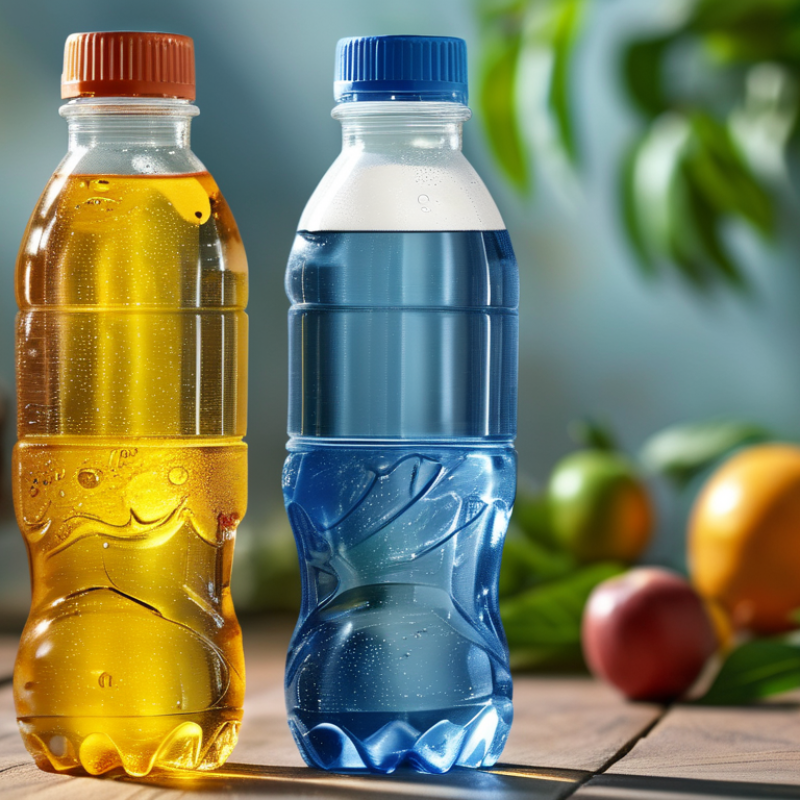
Identifying Key Characteristics of PET Plastic Bottles
Identifying PET plastic bottles can be straightforward if you know what to look for. PET, or polyethylene terephthalate, is commonly used in beverage containers. It is lightweight and typically clear, allowing consumers to see the contents. Industry reports indicate that over 1.5 million tons of PET are produced annually, highlighting its widespread use.
When examining a PET bottle, focus on the texture and flexibility. The surface usually feels smooth and might be slightly flexible. This resilience allows PET bottles to withstand various temperatures without warping. Additionally, PET bottles often display the recycling symbol "1" at the bottom, which clearly identifies them as PET.
Tips: Look for frosted areas or container seams; these could indicate lower-quality manufacturing. You can also test the weight; PET is generally lighter than other plastics, which can affect its feel. Understanding these characteristics can build your confidence in identifying PET bottles effectively.
Identifying Key Characteristics of HDPE Plastic Bottles
When identifying HDPE plastic bottles, look for certain characteristics that set them apart. HDPE, or High-Density Polyethylene, is known for its strength and durability. These bottles often have a slightly waxy feel and are commonly opaque. The color of HDPE can range from white to natural, but they are rarely clear. Another key feature is their flexibility. HDPE bottles can bend without breaking, which is not always the case with other plastics.
One crucial visual indicator of HDPE is the recycling symbol on the bottom. Typically, it features the number "2" within a triangle. While this is a good initial identification, it's not foolproof. Some PET bottles can also carry similar markings. Thus, additional testing may be required. Consider conducting a simple water test. HDPE usually floats due to its lower density, while other plastics do not. Keeping these traits in mind can help in making a reliable identification.
Comparative Analysis of PET and HDPE Recycling Symbols
When comparing plastic recycling symbols, the differences between PET and HDPE are crucial. PET, or polyethylene terephthalate, typically features a recycling symbol with the number one inside. This type of plastic is widely used for beverage bottles. In 2021, the recycling rate for PET was approximately 27%. This indicates significant room for improvement in collection and processing efforts.
On the other hand, HDPE, or high-density polyethylene, carries the recycling symbol with the number two. It is commonly found in milk jugs and detergent bottles. The recycling rate for HDPE was higher, around 31% in the same year. However, challenges persist. The recycling process for HDPE can be complicated. Contamination from food residues often leads to lower quality recycled materials.
Understanding these symbols aids consumers in making informed decisions about recycling. Awareness of material differences is vital for effective waste management. The industry could benefit from improved public education on proper disposal practices. Better-informed citizens can enhance recycling rates for both PET and HDPE plastics.
Methods for Testing Plastic Types at Home
Identifying PET and HDPE plastic bottles can be tricky. However, home tests can simplify this process. One of the most effective methods is the float test. Fill a bowl with water and drop the bottle in. If it sinks, it's likely HDPE. If it floats, it is probably PET. This simple visual cue can save you time and help with recycling.
Another method is to look at the bottle’s label. Usually, PET is used for clear bottles, while HDPE is found in opaque ones. This distinction can provide a quick reference for your sorting needs. However, there can be overlap, and not all bottles follow this rule.
Tips: Always check the recycling symbol on the bottom. The number inside indicates the type of plastic. A '1' suggests PET, while '2' denotes HDPE. Keep in mind that some labels may be less clear. The use of color and design can sometimes mislead, so stay observant.
Remember, while these methods are helpful, they might not be foolproof. Testing at home does come with limitations. In cases of doubt, research or consult with local recycling guidelines to make the best decision.
Environmental Impact of PET vs. HDPE Plastics
PET (polyethylene terephthalate) and HDPE (high-density polyethylene) are widely used in plastic bottles. Their environmental impacts differ significantly. According to the National Association for PET Container Resources, PET bottles have a recyclability rate of about 29%. However, only around 8% of those bottles are recycled effectively. This waste contributes to pollution and landfill issues.
HDPE bottles offer a different scenario. They have a higher recycling rate, reported at nearly 30%, as noted by the Association of Plastic Recyclers. HDPE is generally more efficient in the recycling process. It can be recycled into a variety of products, including piping and recycling bins. Yet, the energy and resources needed for its initial production can cause significant environmental harm.
Realistically, both types of plastics have their drawbacks. PET production relies heavily on fossil fuels, contributing to greenhouse gas emissions. On the other hand, HDPE uses similar resources, leading to depletion of natural resources. Balancing their recycling rates and environmental footprints remains a challenge in sustainable practices. Understanding these impacts is crucial for consumers and industries alike.
Comparison of PET and HDPE Plastics
This chart illustrates the recycling rates and environmental impact scores for PET and HDPE plastic types. PET has a lower recycling rate but a higher environmental impact score compared to HDPE, which has a better recycling rate and lower impact.
FAQS
: HDPE bottles are strong, durable, and slightly waxy. They are usually opaque and can bend without breaking.
Look for the recycling symbol with a "2" in a triangle on the bottom of the bottle to identify HDPE.
Fill a bowl with water. If the bottle floats, it's likely PET. If it sinks, it's probably HDPE.
No, labels can be misleading. Always double-check the recycling symbol and perform tests if uncertain.
PET bottles have a recyclability rate of about 29%, but only 8% are effectively recycled.
HDPE has a higher recycling efficiency, while PET contributes more to pollution due to lower recycling rates.
Yes, both PET and HDPE use fossil fuels in production, causing environmental harm despite their recycling rates.
HDPE can be recycled into various products like piping and recycling bins, but initial production is resource-intensive.
Home tests are helpful, but not foolproof. Consulting local recycling guidelines is advisable for accurate sorting.
Stay observant of color, design, and recycling symbols, as these can sometimes be misleading.
Conclusion
When considering "What is the difference between PET and HDPE plastic bottles," it is essential to recognize their key characteristics. PET (Polyethylene Terephthalate) bottles are typically clear, lightweight, and have a higher tensile strength, making them ideal for carbonated beverages. In contrast, HDPE (High-Density Polyethylene) bottles are opaque, more durable, and resistant to impacts and chemicals, commonly used for milk and cleaning products.
Additionally, the recycling symbols for PET (often marked with a '1') and HDPE (marked with a '2') serve as visual indicators for proper recycling practices. At home, various methods can be employed to test plastic types, while considering the environmental impact, PET is generally more energy-intensive to produce than HDPE. Understanding these distinctions is crucial for making informed decisions regarding plastic bottle usage and recycling.

 Vikas Plastic