Ensuring that plastic bottles are leak-proof for shipping is crucial in the packaging industry. Industry expert Dr. Alex Johnson, a prominent figure in packaging technology, emphasizes, "A well-sealed bottle can significantly reduce product loss during transit." This highlights the need to focus on design and materials used.
What makes a plastic bottle leak-proof for shipping lies in its construction. Precise sealing techniques and high-quality materials are essential. For example, using high-density polyethylene can enhance the seal. Improper seals can lead to disastrous leaks. Reflecting on manufacturing processes can help tweak design flaws.
It pays to review every aspect of the bottle. Not every product is the same, and custom solutions may be required. Not all bottles pass the leak-proof test during shipping. Regular quality checks are vital for maintaining reliability. Customers depend on the integrity of the packaging. The stakes are high in shipping; a single leak can damage reputations.
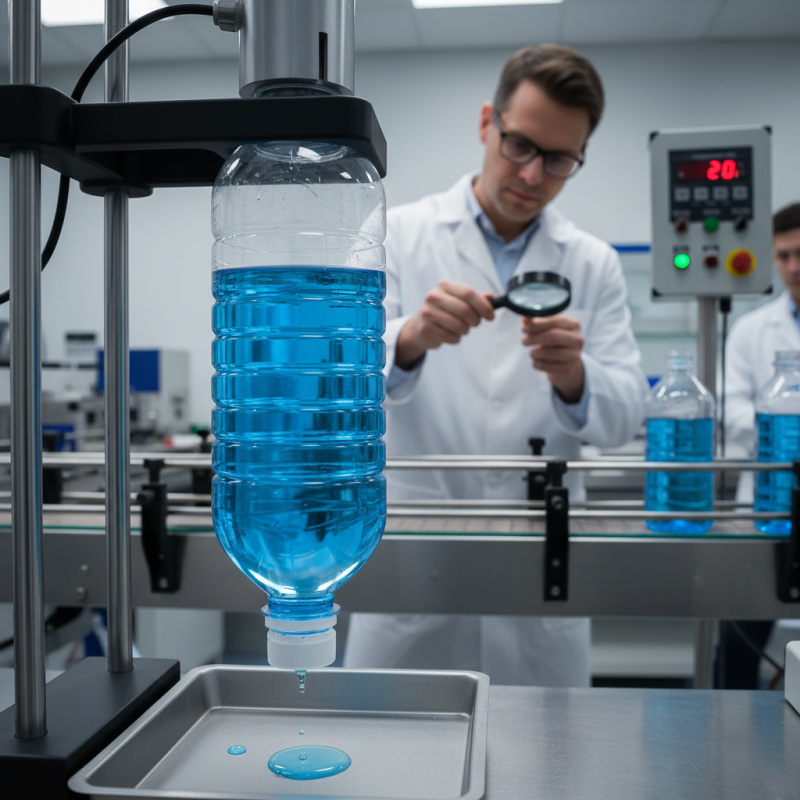
Leak-proof plastic bottles are essential for safe shipping. They prevent spills and contamination during transit. Ensuring your bottles are truly leak-proof requires expertise and attention to detail. A small oversight can lead to significant losses.
Testing your bottles under various conditions is crucial. Subject them to temperature changes and pressure variations to see how they perform. Some materials may not hold up, leading to leaks. Use quality seals and closures to enhance reliability. A well-fitted cap can make a difference.
Sometimes, companies overlook the importance of proper labeling. Clear instructions on handling and storage can help prevent mishaps. Employees should be trained in best practices. If a bottle leaks, it can damage products and harm your brand's reputation. Regular audits of your packaging process can identify weaknesses. Keeping these aspects in check will enhance your shipping effectiveness.
When choosing the right type of plastic material for leak-proof bottles, it's essential to consider several factors. Various plastics serve distinct purposes.
Polyethylene terephthalate (PET) is popular for its durability. It is lightweight and resistant to impact.
Polypropylene (PP) is another option. It can withstand higher temperatures, making it ideal for more demanding applications.
However, not all plastics are created equal. They can degrade over time, especially under UV light or extreme conditions.
This degradation can lead to leaks. Look for materials that have been tested for long-term stability. This can ensure your bottles remain leak-proof during shipping.
Think about the bottle's design as well. Seal integrity is crucial. The cap should fit snugly and securely. Sometimes, even the best plastic can't prevent leaks if the cap is faulty.
Always run tests under various conditions before shipping products. This way, you can identify potential weak points and improve your design.
When shipping plastic bottles, ensuring they are leak-proof is essential. Design features play a crucial role in enhancing their leak-proof qualities. A study from the Packaging Association reveals that approximately 20% of packages experience leaks during transit. This translates to significant financial losses and environmental impacts. Proper design features are key to avoiding such issues.
One critical element is the sealing mechanism. Advanced closures with double sealing technology can reduce leak incidents significantly. Reports show these designs can lower leakage rates by 30% compared to traditional lids. Additionally, the use of ribbed finishes enhances grip and helps maintain the integrity of seals during handling. Bottles featuring reinforced neck designs also provide better support against torsion and impacts.
Material choice is equally important. High-density polyethylene (HDPE) offers greater durability and flexibility. These properties help withstand pressure changes during shipping, thereby minimizing the risk of leaks. In contrast, thinner materials might save costs but come with increased vulnerability to failures. Some manufacturers are also exploring bioplastics for their resilience. Nevertheless, the production processes and longevity of these alternatives need careful consideration to ensure they meet stringent shipping standards.
When shipping plastic bottles, proper sealing is vital to prevent leaks. A well-sealed bottle reduces the risk of damage during transit. Start with high-quality caps designed for your bottle type. Ensure they fit snugly and engage the threads completely. Gaps can lead to leaks, especially with liquids.
**Tips:** Check the seals before packing. If the cap feels loose, it may not hold under pressure. Also, consider using tape around the cap for added security. A simple piece of packing tape can make a big difference.
Additionally, using shrink sleeves can enhance seal integrity. These sleeves wrap around the cap and neck, providing an extra barrier. They also keep the cap in place during transportation. Monitor your sealing methods regularly. Sometimes, what worked previously may not be effective due to changes in cap design or bottle material.
**Tips:** Perform a leak test with a few bottles. This proactive approach can save you from shipping issues later. Always keep an eye out for potential improvements in your sealing process. It’s essential to refine your approach as needed.
| Sealing Technique | Description | Effectiveness | Recommended For |
|---|---|---|---|
| Heat Sealing | Using heat to melt and bond the plastic at the closure. | High | Non-perishable liquids |
| Screw Caps with O-rings | Caps designed with rubber O-rings to create a tight seal. | Medium | Most liquids |
| Tamper-Evident Seals | Seals that show if the product has been opened. | High | Food and beverages |
| Induction Sealing | Using electromagnetic induction to seal containers. | Very High | Chemicals, pharmaceuticals |
| Adhesive Sealing | Using an adhesive to bond closures or seals. | Medium | Temporary products |
Testing and quality control methods are vital for ensuring leak resistance in plastic bottles. Regular testing can help identify potential flaws in bottle design. Using proper materials is equally important. Many bottles fail due to subpar plastics. It’s wise to choose high-quality, tested materials.
One effective method is pressure testing. This technique evaluates the bottle's ability to hold liquids without losing integrity. You can immerse bottles in water and pressurize them. Any bubbles indicate leaks. This hands-on approach helps spot issues early.
Tips: Always maintain a log of your testing results. Having documented insights improves your process. Additionally, consider visual checks. Sometimes, a simple inspection can reveal cracks or weak points.
Handling temperatures during shipping is essential too. Bottles can expand or contract, causing leaks. Ensure your packaging keeps temperature fluctuations in check. Regular reviews of your quality control methods can enhance reliability over time. Adapt and refine your processes based on outcomes.
: Popular choices are polyethylene terephthalate (PET) and polypropylene (PP). They are durable and resistant.
Exposure to UV light and extreme conditions can cause degradation. This can increase the risk of leaks.
A snug cap is key for preventing leaks. A faulty cap can cause even the best plastic to fail.
Advanced closures and double sealing technology can significantly reduce leakage rates during transit.
High-density polyethylene (HDPE) is more flexible and can withstand pressure changes, reducing leak risks.
Ensure caps fit snugly and consider using tape for added security around the cap.
Shrink sleeves provide an extra barrier, holding the cap in place and enhancing seal integrity during transport.
Changes in cap design or material can affect effectiveness. Regular checks help identify necessary improvements.
Perform a leak test with a few bottles before shipping. This helps highlight potential problems in advance.
While they can offer resilience, their production and longevity must meet strict standards for shipping.
Ensuring that plastic bottles are leak-proof for shipping is crucial for maintaining product integrity and customer satisfaction. What makes a plastic bottle leak-proof for shipping involves a combination of selecting the right type of plastic material, incorporating specific design features, and employing effective sealing techniques. The ideal materials should exhibit high tensile strength and resistance to deformation, ensuring that the bottles can withstand the rigors of transportation without compromising their seals.
Additionally, the design of the bottle plays a significant role in enhancing leak-proof qualities, often incorporating features such as reinforced necks and threaded caps to minimize the risk of spills. Proper sealing techniques, including the use of heat sealing and pressure testing, are essential to prevent leaks during transit. Finally, rigorous testing and quality control methods must be implemented to ensure that all bottles meet leak resistance standards before being shipped, thus safeguarding the contents and ensuring customer trust.
