When considering the safety of plastic bottles, many consumers ask, "How to tell if a plastic bottle is BPA-free?" This concern is crucial, as BPA can disrupt endocrine functions. Dr. Emily Chen, a leading expert in materials science, emphasizes, "Identifying BPA-free plastics is essential for health-conscious consumers."
With various plastics on the market, distinguishing BPA-free bottles can be tricky. BPA, or bisphenol A, hides in common items, often labeled with recycling codes. While many manufacturers promote BPA-free products, not all are transparent. Look for BPA-free labeling or check the recycling number; 1, 2, 4, 5, and 6 are generally safe.
However, not every bottle is clear cut. Some "BPA-free" plastics may still pose risks through their chemical additives. It's vital to stay informed and skeptical. Keep an eye on updates from trustworthy sources. The journey to safe plastic consumption isn't always straightforward, but understanding how to identify BPA-free options can protect your health.
Understanding BPA and Its Risks in Plastics
BPA, or bisphenol A, is a chemical commonly found in many plastics. It’s a concern due to its potential health risks. Studies show that BPA can seep into food and drinks, leading to possible hormonal disruptions. According to the National Institute of Environmental Health Sciences, BPA exposure is linked to various health problems, including reproductive issues and cardiovascular diseases.
When choosing plastic bottles, it’s crucial to identify those that are BPA-free. Look for labels that clearly state “BPA-free.” Also, consider the type of plastic. #1 (PETE) and #2 (HDPE) are generally safer options. In contrast, #3 (PVC) and #7 (other) can contain BPA.
Tips: Always check for recycling codes. Use glass or stainless steel for a more reliable alternative. Regularly replace old plastic bottles, as wear and tear can increase chemical leaching. Avoid heating plastic containers, especially in microwaves. This can release harmful chemicals into food and drinks.
Stay informed about the materials you use in daily life. Awareness of BPA and its associated risks is essential for making healthier choices. Challenge the norms and consider switching to safer materials when possible.
Identifying BPA-Free Labels on Plastic Bottles
Identifying BPA-free labels on plastic bottles can be a challenge. Many consumers are concerned about bisphenol A (BPA) due to its potential health risks. A report by the American Medical Association highlighted that BPA exposure is linked to various health issues, including hormonal imbalances. It's essential, therefore, to know how to differentiate BPA-free plastic.
Look for the recycling symbols on the bottom of plastic bottles. Plastics marked with the numbers 1, 2, 4, and 5 are generally considered BPA-free. However, even within these categories, some products may still contain harmful substances. According to the Plastic Pollution Coalition, many manufacturers are now producing alternative plastics. These can be safer but not all are certified BPA-free.
Additionally, check for specific labels indicating "BPA-free." This label must be clear and easily visible. Relying solely on marketing claims can be misleading. A 2022 survey revealed that over 30% of consumers were unaware of the differences in plastic types. Understanding these labels helps ensure safer choices for you and your family.
Recognizing Common Types of BPA-Free Plastics
Identifying BPA-free plastic bottles is essential in today's awareness of health and safety. Many consumers seek products that do not contain Bisphenol A, known for its potential health risks. According to a report by the American Chemistry Council, roughly 85% of consumers are concerned about BPA exposure. This concern drives the demand for BPA-free options.
Common types of BPA-free plastics include polyethylene (usually marked with recycling codes #1 and #2) and polypropylene (recycling code #5). These types are considered safer alternatives. Polyethylene is lightweight and durable, making it popular for water bottles. Polypropylene often appears in food containers, known for its resistance to high temperatures. Recognizing these materials is crucial, as they are widely available.
Tip: Always check the bottom of bottles for recycling codes. BPA-containing plastics often use the codes #3 and #7. Be cautious with older plastics that may not be clearly labeled. The simplicity of a recycling code can guide your choices effectively. Also, remember that some products marketed as “BPA-free” may still contain other harmful chemicals. Always research and make informed decisions.
How to Identify BPA-free Plastic Bottles Easily? - Recognizing Common Types of BPA-Free Plastics
| Plastic Type |
Recycling Code |
BPA-free Status |
Common Uses |
| Polyethylene Terephthalate (PETE) |
1 |
Yes |
Water bottles, soft drink bottles |
| High-Density Polyethylene (HDPE) |
2 |
Yes |
Milk jugs, juice bottles |
| Polypropylene (PP) |
5 |
Yes |
Food containers, yogurt containers |
| Polystyrene (PS) |
6 |
Variable |
Disposable cutlery, food containers |
| Bamboo Fiber Plastic |
N/A |
Yes |
Eco-friendly bottles, food packaging |
Visual Cues: Color and Clarity in BPA-Free Bottles
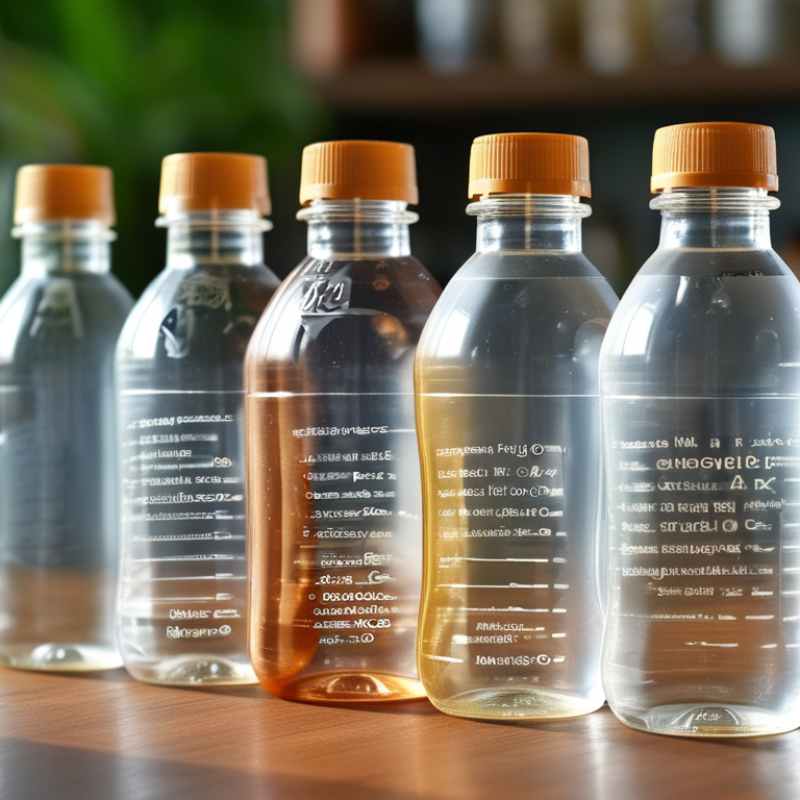
When choosing BPA-free plastic bottles, visual cues are crucial. The color of the plastic often indicates its safety. BPA-free plastics may appear clear or slightly cloudy. A deep, rich color can suggest the presence of harmful chemicals. Observing these visual aspects helps consumers make safer choices.
Clarity is another important factor. BPA-free bottles tend to have a smooth surface. They are less likely to feature visible blemishes or irregularities. These imperfections could indicate lower quality materials, potentially containing BPA. Pay attention to how the light interacts with the bottle. The way it refracts can tell you much about the plastic's integrity and health safety.
While these tips are helpful, they are not foolproof. Sometimes, even BPA-free bottles may not meet consumer expectations. It's essential to research beyond just visual aspects. Trustworthy sources provide detailed information about materials. A little effort can go a long way in ensuring safety and health.
How to Identify BPA-free Plastic Bottles Easily
Tips for Choosing Safe Plastic Bottles for Everyday Use
When selecting safe plastic bottles, it’s essential to check for BPA, a chemical found in many plastics. Start by looking for the recycling number. BPA is commonly found in plastics marked with the numbers 3 and 7. Instead, opt for bottles labeled with 1, 2, 4, or 5. These materials are generally recognized as safer alternatives.
Another important tip is to look for the BPA-free label. Many brands now clearly indicate that their products do not contain this harmful chemical. This transparency helps consumers make informed choices. Examine the bottle’s material closely. Some plastics look the same on the outside but can have entirely different chemical compositions.
Don’t forget to consider the bottle’s usage and longevity. Avoid bottles that are scratched or worn, as they may leach chemicals into your drink. It’s a good idea to replace plastic bottles regularly. Remember, even BPA-free options can have limitations. They can degrade over time or under heat. Always store bottles in a
cool, dry place. Prioritize your health by making careful choices in your daily hydration tools.
Conclusion
This article provides a comprehensive guide on how to tell if a plastic bottle is BPA-free, emphasizing the importance of understanding BPA and its potential health risks associated with plastic consumption. It outlines key methods for identifying BPA-free labels on plastic bottles, ensuring consumers can make informed choices.
The article also discusses common types of BPA-free plastics and highlights visual cues, such as color and clarity, that can help in recognizing safer options. Additionally, it offers practical tips for selecting safe plastic bottles for everyday use, ultimately empowering readers to avoid harmful chemicals and prioritize their health in their daily lives.

 Vikas Plastic