When exploring the world of plastic bottles, a common question arises: What is the difference between PET and HDPE plastic bottles? Understanding these materials can enhance your knowledge of recycling and sustainability. PET, or polyethylene terephthalate, is widely used for soft drinks and water bottles. It is lightweight and clear, often recognized by its typical “1” recycling code.
On the other hand, HDPE, or high-density polyethylene, is utilized for containers like milk jugs and detergent bottles. It offers superior impact resistance and a more opaque appearance, marked by a “2” recycling code. Differentiating these plastics is crucial for waste management and environmental responsibility. Many consumers may overlook these details, leading to improper recycling practices. This oversight can harm the environment and affect recycling processes.
By understanding the unique characteristics of PET and HDPE, individuals can make informed decisions. Recognizing the differences helps in selecting the right materials for various purposes. This knowledge also empowers consumers to participate actively in sustainability efforts. Ultimately, these insights contribute to a more environmentally-conscious society.
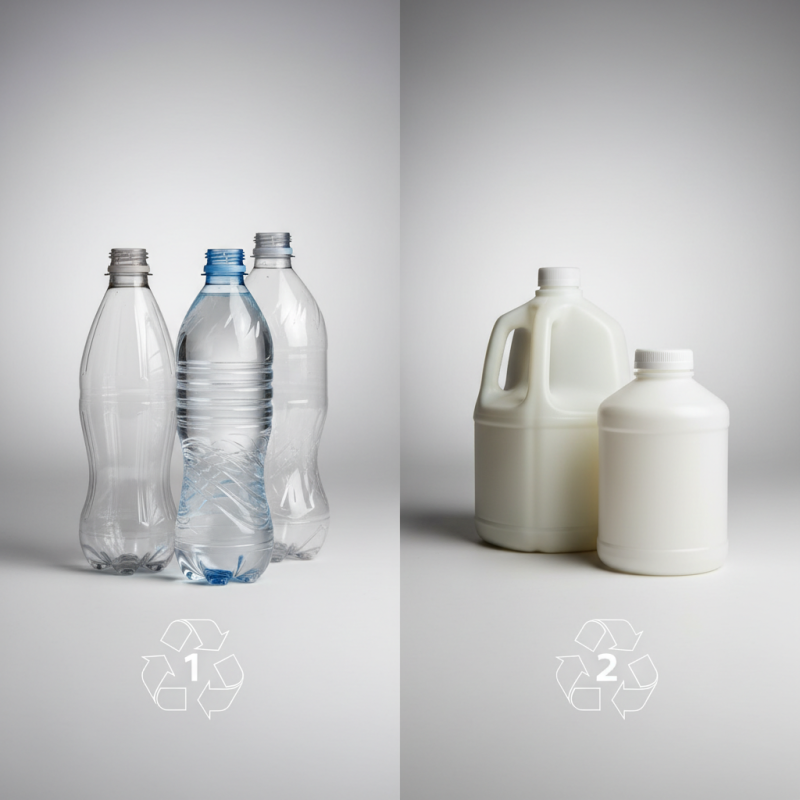
Identifying the Basic Properties of PET and HDPE Bottles
When looking at bottles, PET and HDPE are common materials.
PET, or polyethylene terephthalate, is clear and lightweight. It often feels smooth to the touch. On the other hand,
HDPE, or high-density polyethylene, is opaque and more rigid. This density gives it a sturdier feel compared to PET.
For identifying these materials, you can look at their properties. PET bottles often have a shiny surface and are commonly used for soft drinks.
They can withstand higher temperatures and are recyclable. HDPE bottles are usually used for milk and detergent. They are less transparent and resistant to impact,
making them suitable for more demanding uses. Both materials have their strengths.
It's essential to know how to recycle them properly. PET is accepted in most recycling programs. However, HDPE can be harder to recycle in certain areas.
Misunderstanding these properties can lead to improper recycling and waste. Understanding the differences is crucial for better environmental practices.
Recognizing the Visual Differences Between PET and HDPE Bottles
When distinguishing between PET and HDPE bottles, visual cues are essential. PET bottles are generally transparent, showcasing the contents inside. They often appear shinier and have a smoother finish. In contrast, HDPE bottles are usually opaque and have a more textured surface. This difference aids in quick identification.
Another notable aspect is the color of these bottles. PET is often found in clear or light colors, making it ideal for beverages. HDPE bottles, however, come in a variety of colors, including milk jugs and cleaning supply containers. Their thickness and flexibility can also reveal differences; HDPE is stiffer compared to PET.
**Tip:** To differentiate bottles easily, hold them in your hand. The weight and feel can indicate the material. PET is lighter and more flexible, while HDPE feels denser.
**Tip:** Observe the bottle's neck. PET bottles often have a narrower neck compared to the wider neck of HDPE bottles, making them easier to spot in a recycling bin.
While these visual clues can help, always check for recycling symbols. It’s a reliable way to confirm the type of plastic. Stay aware and informed about these details for better sustainability practices.
How to Identify the Differences Between PET and HDPE Bottles?
| Dimension |
PET (Polyethylene Terephthalate) |
HDPE (High-Density Polyethylene) |
| Appearance |
Transparent, glossy finish |
Opaque, typically has a matte finish |
| Recyclability |
Easily recycled, with a recycling code of 1 |
Recyclable, with a recycling code of 2 |
| Flexibility |
Less flexible, more rigid |
More flexible, can be easily bent |
| Weight |
Lighter weight |
Heavier than PET |
| Common Uses |
Beverage bottles, food containers |
Milk jugs, detergent bottles |
| Durability |
Moderately durable, can break under stress |
Highly durable, resistant to impact |
| Chemical Resistance |
Good resistance to acids and bases |
Excellent resistance to most chemicals |
Understanding the Recycling Codes for PET and HDPE Materials
Understanding the recycling codes for PET and HDPE materials is essential for effective recycling practices.
PET, or polyethylene terephthalate, is commonly labeled with the recycling code "1". This code indicates that the material is widely accepted in recycling programs. HDPE, or high-density polyethylene, uses the code "2". Like PET, it is also recyclable and often used for containers and bottles.
The differences between these codes reveal important information about the materials. PET is usually clearer, while HDPE has a more opaque appearance. This visual distinction is helpful when sorting recyclables. However, not all recycling facilities handle these materials the same way. Some may not accept PET due to contamination issues.
Consumers often overlook these recycling codes. Educating oneself on these details can improve recycling rates. Familiarizing yourself with these numbers is a step toward better waste management. Even small efforts in understanding can contribute to larger changes in recycling behavior.
Evaluating the Functional Uses of PET and HDPE Bottles
PET (Polyethylene Terephthalate) and HDPE (High-Density Polyethylene) bottles serve distinct functions in various industries. PET bottles are lightweight and provide excellent clarity, making them ideal for beverages. According to the National Association for PET Container Resources, around 70% of all PET bottles are recycled. This high recyclability makes PET a preferred choice for sustainability efforts.
On the other hand, HDPE bottles are known for their strength and durability. They are often used for packaging household cleaners and motor oils. The American Chemistry Council reports that HDPE bottles have a recycling rate of approximately 30% in the U.S., which poses concerns for effective waste management. However, HDPE’s chemical resistance is impressive, often outperforming PET in specific applications.
While both materials are versatile, their functionalities differ significantly. PET's clarity appeals to consumers, but its lack of resistance to heat limits certain uses. Conversely, HDPE’s sturdiness comes at the cost of limited transparency. These variations prompt ongoing discussions about the best applications for each type, paving the way for more sustainable practices in packaging.
Analyzing Environmental Impact and Sustainability of PET vs. HDPE
When comparing PET and HDPE bottles, it's crucial to understand their environmental impact. Both materials are widely used in packaging, but their sustainability profiles differ significantly. PET (polyethylene terephthalate) is often more recyclable than HDPE (high-density polyethylene). However, the recycling process for PET can involve more energy. This raises questions about its long-term sustainability.
HDPE bottles, on the other hand, can be recycled easily and require less energy during production. They are often seen as more durable and less likely to degrade in the environment. Yet, this doesn't mean they are free from drawbacks. The production of HDPE relies on fossil fuels, contributing to carbon emissions. Not all HDPE is recycled, leading to considerable waste.
Understanding these nuances is essential for environmentally conscious choices. The choices between PET and HDPE are not black and white. Each has its strengths and weaknesses in terms of sustainability. Consumers must weigh these factors carefully. Eco-friendliness often comes down to local recycling infrastructure and personal habits.
Comparison of Environmental Impact and Sustainability: PET vs. HDPE
This chart illustrates the environmental impact and sustainability metrics of PET and HDPE bottles, comparing factors such as carbon emissions, water usage, recycling rates, and energy consumption.
Conclusion
This article explores the fundamental differences between PET and HDPE plastic bottles. It begins by identifying the basic properties of these two materials, highlighting their unique characteristics such as flexibility, durability, and barrier properties. The visual differences are also discussed, helping readers recognize the distinct appearances of PET and HDPE bottles.
Additionally, the article delves into the recycling codes associated with each material, which aids in proper disposal and recycling efforts. Evaluating the functional uses of both bottles reveals their suitability for various products, from beverages to detergents. Finally, the environmental impact and sustainability of PET versus HDPE are analyzed, emphasizing the importance of material choice in reducing ecological footprints. Overall, this comprehensive guide answers the question, "What is the difference between PET and HDPE plastic bottles?" and encourages informed decisions regarding plastic use and recycling.

 Vikas Plastic