As environmental awareness grows, many beauty enthusiasts seek sustainable practices. One effective way is learning how to recycle PCR plastic bottles in your beauty routine. PCR, or post-consumer recycled plastic, significantly reduces environmental impact.
Incorporating PCR bottles into your beauty regimen can be simple yet powerful. For instance, look for brands that use PCR packaging for their products. This small change contributes to a larger movement toward sustainability. However, it's easy to forget the impact of our choices. Are we truly considering the lifecycle of the products we use?
Taking action can be daunting. It's crucial to reflect on how these choices align with our beauty habits. Start by consistently checking labels and choosing products in PCR packaging. This conscious effort leads us toward more responsible consumption. Let’s embrace the challenge and reshape our routines with sustainability in mind.
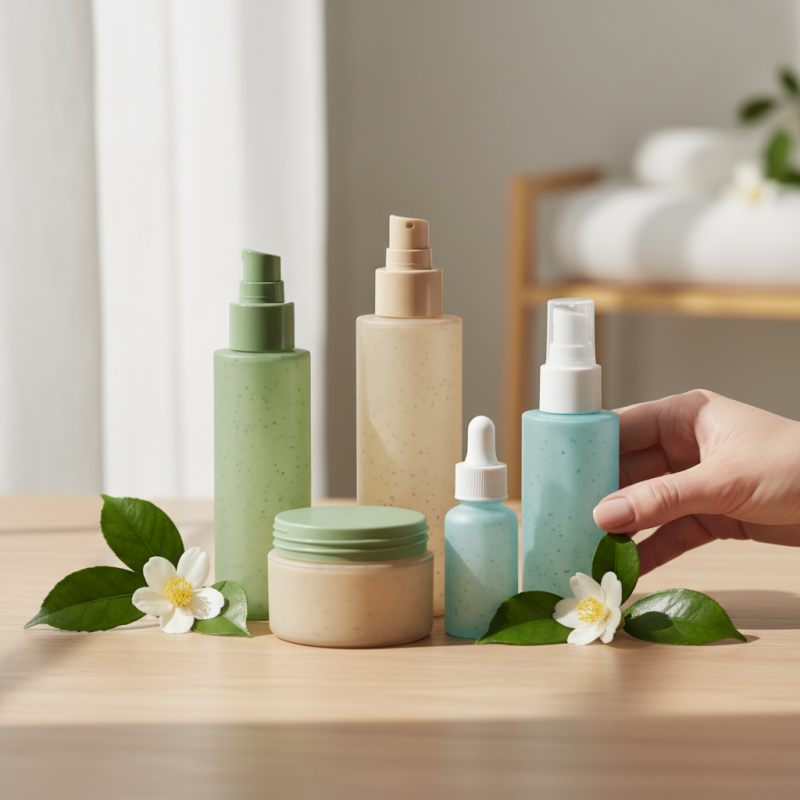
PCR plastic, or post-consumer recycled plastic, is gaining traction in the beauty industry. Incorporating PCR plastic into your beauty routine supports sustainability. Each year, millions of tons of plastic waste are generated, contributing to environmental damage. According to studies, using PCR plastic can reduce the carbon footprint by up to 50% compared to virgin plastic. This shift is crucial as consumers increasingly seek eco-friendly options.
More brands are adopting PCR plastic packaging. This is a positive step, but the industry still faces challenges. Not all brands are fully transparent about the percentage of PCR in their products. Some may use minimal amounts, leading to skepticism. Understanding the nuances of PCR content can empower consumers to make better choices.
Tips for embracing PCR in your routine include checking packaging labels carefully. Look for products with a high PCR content to ensure significant impact. Support brands actively working towards sustainability. Share your knowledge within your community. Together, small changes can influence the industry's direction. Engaging in this conversation may feel overwhelming, but every effort counts.
When looking to embrace sustainability in your beauty routine, identifying PCR (Post-Consumer Recycled) plastic bottles is crucial. These bottles help reduce plastic waste while still providing effective products. Many brands are now incorporating PCR plastics, so your first step is to check the labels. Look for symbols or statements indicating the percentage of recycled content. Not all beauty items highlight this information clearly, so sometimes you’ll need to dig a bit deeper.
Tip: Keep a list of your favorite products that use PCR bottles. This way, you can easily find alternatives when you run out. Visit brand websites for detailed information about their sustainability practices. You might find surprises in unexpected places.
While switching to PCR is a great step, you may notice not every brand is transparent. Some might claim to be sustainable but provide little detail. It’s essential to question and research. Take time to explore the efficacy of products in PCR packaging. Not all recycled bottles perform the same. Aim for products that balance sustainability with high performance.
Incorporating PCR plastic bottle recycling into your beauty routine starts at home. You can take practical steps to make a difference. Begin by distinguishing PCR bottles from regular plastics. Post-consumer recycled (PCR) bottles help reduce new plastic production. According to a 2021 report by the Ellen MacArthur Foundation, using PCR plastic can lower carbon emissions by up to 80% compared to virgin plastic.
Collect your PCR bottles in a designated area. Ensure they are clean and dry before recycling. Rinse them out to remove any residue. This simple step improves the recycling process. The National Association for PET Container Resources (NAPCOR) states that cleaner materials increase recycling rates. Remember, not all beauty brands use 100% PCR plastic, so check labels carefully.
Consider reusing some of your PCR bottles creatively. They can serve as organizers or planters. This method enhances sustainability. Engaging with local recycling programs is also essential. Many communities have specified collection days for plastics. However, not everyone may have access. Research your local guidelines to maximize your efforts. Each small step contributes to a larger impact in the fight against plastic waste.
| Step | Action | Tips |
|---|---|---|
| 1 | Collect PCR plastic bottles | Choose bottles that are clean and free from contaminations. |
| 2 | Rinse and clean the bottles | Use warm soapy water to eliminate residue, then rinse thoroughly. |
| 3 | Remove labels and caps | Check if your recycling program accepts labels, otherwise remove them. |
| 4 | Sort the bottles by plastic type | Identify the recycling code usually found on the bottom of the bottle. |
| 5 | Take bottles to recycling facility or curbside pickup | Check local guidelines for proper recycling locations and schedules. |
| 6 | Incorporate recycled products in your routine | Look for products that contain recycled materials in their packaging. |
When choosing beauty products, consider the packaging. Brands that utilize post-consumer recycled (PCR) plastic contribute to a more sustainable future. PCR plastic comes from recycling efforts, reducing the need for virgin materials. This means less waste and a smaller carbon footprint.
Look for those brands that clearly state their commitment to using PCR plastic. Many companies are beginning to prioritize sustainability, seeing it as both a duty and a market trend. Their transparent labeling helps consumers make informed choices. However, not all brands may provide this information clearly, leading to confusion.
Be mindful of the impact of your purchases. Each bottle and jar adds up. If a brand claims to be eco-friendly but lacks specifics, do your research. Reflect on the choices you make. Support companies that not only talk about sustainability but also prove it through their actions.
This bar chart illustrates the distribution of beauty brands based on their usage of PCR plastic in packaging. As seen, most brands fall within the moderate to high usage categories, highlighting a growing trend towards sustainability in the beauty industry.
In recent years, the beauty industry has shifted toward sustainability. Many people are now keen to incorporate recycled beauty products into their daily care routines. Using PCR plastic bottles is a great starting point. These bottles come from post-consumer recycled materials, reducing waste and energy consumption.
Choosing products in PCR packaging can be satisfying. It feels good to know you are making a positive impact. However, it can be challenging to find brands committed to this practice. Research is essential. Remember to look for certifications or detailed information on a product’s sustainability efforts.
Incorporating recycled products is not a one-size-fits-all solution. It requires a mindful approach. Seek out local outlets or online retailers that prioritize eco-friendly products. Each small choice contributes to a larger change. Yet, it’s important to remain critical of claims made by brands. You may encounter greenwashing, where companies exaggerate their environmental efforts. Being informed allows you to select truly sustainable options.
: PCR plastic bottles are made from post-consumer recycled materials, helping reduce plastic waste.
Check labels for symbols indicating recycled content. Sometimes, information isn't easily visible.
They reduce the need for virgin materials, resulting in less waste and a smaller carbon footprint.
Not every brand provides clear information about their use of PCR plastic, which can lead to confusion.
Research the brand’s sustainability practices and look for specific details before making a choice.
It requires a mindful approach and may not fit every individual's needs or routines perfectly.
Seek out retailers that emphasize sustainability and check for certifications or detailed sustainability claims.
Not all PCR bottles perform equally. Evaluate products for effectiveness alongside their sustainability.
Greenwashing occurs when brands exaggerate their eco-friendly claims. Stay informed to avoid being misled.
Each small choice in products contributes to sustainability. Reflect on the brands you support and their actions.
In recent years, incorporating sustainable practices into our daily routines has become increasingly important, particularly in the beauty industry. Understanding PCR (Post-Consumer Recycled) plastic and its benefits can help consumers make informed choices that support environmental health. By recognizing PCR plastic bottles in your beauty routine, you can take a step towards sustainability.
Learning how to recycle PCR plastic bottles in your beauty routine involves simple yet effective steps that can be implemented at home. This includes not only recycling empty bottles but also seeking out brands that commit to using PCR plastic in their packaging. Additionally, integrating recycled beauty products into your daily care routine can enhance your approach to beauty while minimizing environmental impact. By making conscious choices, you can contribute to a more sustainable future in the beauty industry.
