Plastic bottles are ubiquitous in our daily lives. However, one common issue many face is discoloration. Understanding "Why do some plastic bottles turn yellow over time" is essential for consumers and manufacturers alike. According to a recent report from the Society of Plastics Engineers, nearly 70% of plastic products experience degradation in their appearance after prolonged exposure to light and heat.
Industry expert Dr. Sarah Thompson notes, "When plastic bottles are exposed to UV rays and heat, they undergo chemical changes that lead to yellowing." This statement emphasizes the importance of awareness in product use. Many consumers may not realize how storage conditions affect plastic longevity.
Moreover, the degradation not only affects aesthetics but also raises concerns about safety. Chemicals like bisphenol A (BPA) can leach into liquids over time. Therefore, addressing discoloration is crucial. Emphasizing preventive measures like proper storage and choosing UV-resistant materials can significantly enhance bottle lifespan. Awareness and informed choices can lead to improved product reliability.
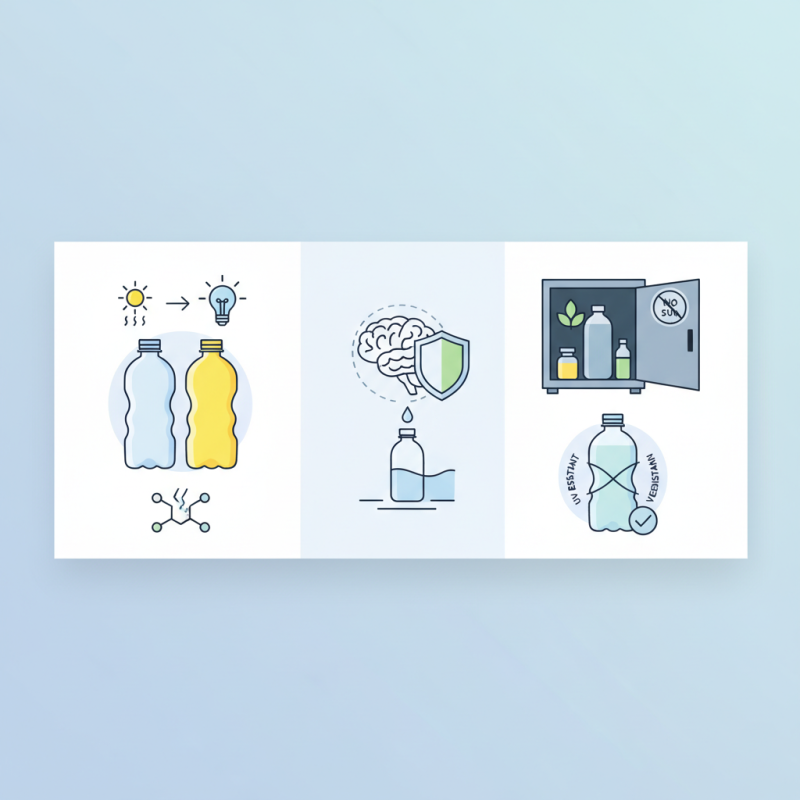
Plastic bottles often show signs of yellowing over time. This phenomenon is largely due to exposure to UV light, heat, and chemicals. When plastic is exposed to sunlight, the ultraviolet (UV) rays break down its molecular structure. According to a report by the American Chemical Society, such damage can lead to fading and yellow discoloration. Similarly, heat can accelerate the aging process, causing the polymers in the plastic to break down even faster.
Chemical interactions also contribute to yellowing. For example, some plastics interact with components in liquids or even the air. A study published in the Journal of Polymer Science notes that these reactions can cause discoloration and reduce visual appeal. Bottles that store beverages may be particularly susceptible. Over time, frequent exposure to acidic or alkaline liquids can trigger further degradation.
Preventive measures are crucial to maintain the appearance of plastic bottles. Storing them in dark, cool places can significantly reduce UV exposure and heat. Additionally, using additives that block UV light or choosing higher-quality plastics can enhance longevity. Nonetheless, even the best practices may not fully prevent yellowing, as environmental factors vary. Regularly assessing your plastic products is essential to ensure their usability.
The chart above illustrates the progression of yellowing levels in plastic bottles over time. As time passes, exposure to elements such as UV light and temperature fluctuations contribute to an increase in yellowing, indicating degradation of the plastic material.
Plastic bottles can lose their clarity and turn yellow due to exposure to UV light. This type of light accelerates the degradation of the plastic material. Polyethylene terephthalate (PET), commonly used for bottles, is particularly sensitive to UV radiation. Over time, UV exposure breaks down the chemical bonds, leading to discoloration.
To prevent yellowing, store bottles in dark or shaded areas. Limiting exposure to sunlight can significantly slow down the degradation process. Consider using opaque containers when possible. Another effective tip is to use UV-blocking spray or coatings. These products can provide a protective layer, extending the lifespan of the plastic.
It’s crucial to check your bottles regularly. Discoloration can indicate that the material is breaking down. If you notice yellowing, think about replacing the bottle. Using bottles made from higher-quality plastics may also help, but even they require careful handling. Always be aware of how you store your plastic items. Keeping them out of direct sunlight goes a long way in maintaining their integrity.
Plastic bottles often undergo discoloration, turning yellow over time. This change is primarily due to chemical reactions involving the plastic polymers. Polyethylene terephthalate (PET), commonly used for these bottles, can degrade when exposed to heat, light, and oxygen. Research indicates that UV radiation accelerates the breakdown of PET. This process generates free radicals, which then react with oxygen, leading to the formation of yellowish chromophores.
Additionally, additives used in the manufacturing of plastic can also contribute to discoloration. For example, stabilizers and colorants might break down under environmental stressors. A study published in the Journal of Applied Polymer Science highlighted that exposure to sunlight can result in a loss of original color by more than 30% over a few months. While this is alarming, users can mitigate these effects by storing plastic bottles in cool, dark places.
Preventing yellowing requires careful handling. Avoiding exposure to heat is critical. Bottles should not be left in cars or near windows. Also, rinsing bottles after use can help. Residues from drinks can promote degradation. Interestingly, though many people do not notice the initial yellowing, it serves as a reminder of the inherent vulnerabilities of plastic. Addressing these issues is vital for both sustainability and health.
Plastic bottles often turn yellow due to exposure to sunlight and heat. This discoloration can be frustrating, especially if you're trying to maintain their clarity. Fortunately, there are several preventive measures you can take to keep your plastic bottles looking fresh.
Store your bottles in a cool, dark place. High temperatures and direct sunlight accelerate the yellowing process. Avoid leaving them in cars or near windows for prolonged periods. Regular cleaning can also help. Use mild soap and water to wash your bottles, ensuring no residue remains. Rinse them thoroughly.
It's important to note that different plastics have varying levels of durability. Some may yellow faster than others, regardless of how well you care for them. While prevention is key, accepting some change can also be part of the journey. Awareness of how environmental factors impact your bottles is essential. Embrace these imperfections as a reminder of their use and the experiences they've accompanied.
Proper storage techniques are crucial to prevent the yellowing of plastic bottles over time. Exposure to UV light is a primary factor causing this discoloration. According to a report by the Plastics Industry Association, prolonged exposure to sunlight can weaken plastic materials, leading to a yellowish tint. Thus, storing plastic bottles in dark or shaded areas can significantly reduce the risk of yellowing.
Another common issue is heat exposure. When plastic bottles are stored in high temperatures, especially in vehicles or near ovens, their structure degrades. The American Chemical Society has noted that temperatures above 120°F can accelerate this process. Therefore, it's essential to keep plastic bottles in cool, well-ventilated spaces. Using insulated containers can also help maintain an optimal temperature and prevent damage.
Lastly, the type of liquid stored in the bottles matters. Certain acidic contents can contribute to degradation. The Food and Drug Administration warns about the effects of acidic liquids like fruit juices on plastic over time. Regular cleaning and avoiding prolonged storage of such liquids can go a long way in maintaining the quality of plastic bottles. Remembering these simple yet vital storage tips can prolong the life of your bottles and keep them clear for longer.
: Exposure to sunlight and heat accelerates the yellowing process.
Store them in a cool, dark place to prevent discoloration.
No, avoid leaving them in cars. High temperatures can cause damage.
Use mild soap and water, then rinse thoroughly to remove residue.
No, different plastics have varying durability and may yellow differently.
Yes, acidic contents like fruit juices can degrade the plastic over time.
Regular cleaning and careful storage can help keep them looking fresh.
Yes, it’s important to accept some changes as part of their journey.
Keep them below 120°F to avoid heat-related damage.
They can lead to discoloration and degradation, impacting the bottles’ lifespan.
Plastic bottles can turn yellow over time due to a variety of factors, primarily exposure to UV light, which can lead to chemical reactions in the plastic material. These reactions often result in discoloration as the polymers break down, affecting the aesthetic and structural integrity of the bottle. Understanding the causes of yellowing, such as the impact of environmental conditions and prolonged sunlight exposure, helps in addressing the question: "Why do some plastic bottles turn yellow over time?"
To combat yellowing, it is crucial to implement preventive measures, including proper storage techniques. Keeping plastic bottles away from direct sunlight and storing them in cool, dark places can significantly reduce the risk of discoloration. Additionally, using protective coatings or selecting UV-resistant materials can further help maintain their clarity and appearance over time. By taking these steps, you can extend the lifespan of plastic bottles while preserving their original look.
