Top Plastic Jar Recycling Symbols and How to Identify Them

Time:2026-09-30 Author:Aria
0%

Plastic jars appear simple, yet their recycling symbols can raise difficult questions. A small triangle on the base may show resin type, not guaranteed recyclability. The number identifies the plastic family under ASTM D7611. Local facilities decide what they actually accept.

The OECD’s Global Plastics Outlook reported that only 9% of global plastic waste was recycled in 2019. The U.S. Environmental Protection Agency also recorded a 13.1% recycling rate for plastic containers and packaging in 2018. These figures reveal a practical gap between packaging design and real recovery. A jar may carry a recycling symbol but still be rejected because of its color, shape, residue, lid, or local sorting equipment.

This guide explains How to identify the recycling symbol on your plastic jar through visible, repeatable checks. Look beneath the jar, where a raised triangle and number often appear. Wash away food or cosmetic residue. Separate the cap only when local instructions require it. Then compare the resin code with your municipality’s accepted-materials list and the Association of Plastic Recyclers’ technical guidance.

The symbol is only a clue.

Experience from household sorting shows that labels can mislead careful people. I once treated every marked container as recyclable; that assumption was too broad. Recycling rules also change as equipment and markets change. Therefore, this overview focuses on identification, not promises. Reliable decisions require both the symbol and current local guidance.
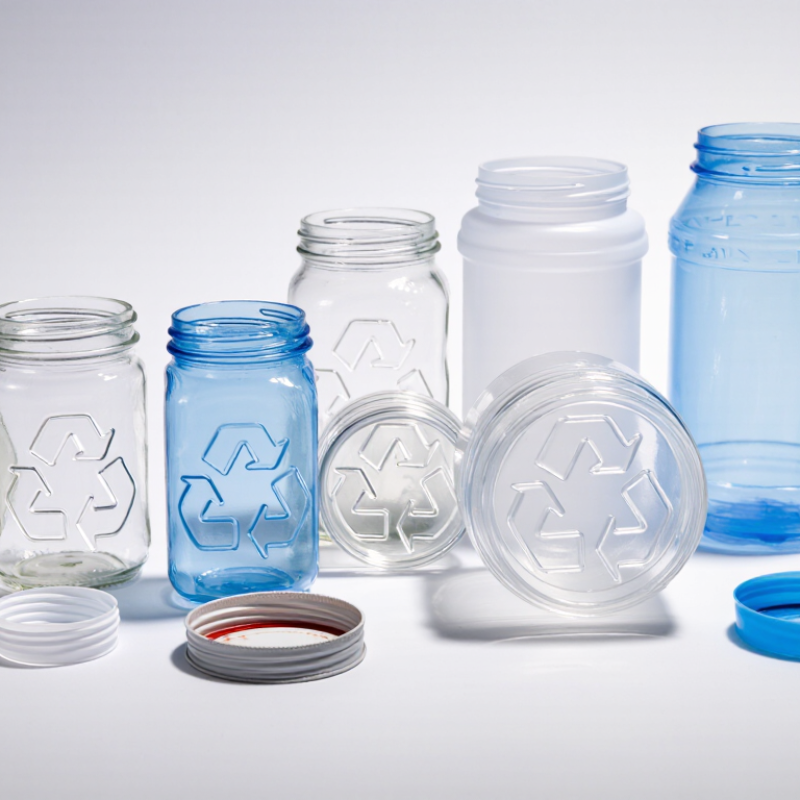
Top Plastic Jar Recycling Symbols and How to Identify Them

Define the 1–7 Resin Identification Codes under ASTM D7611

Top Plastic Jar Recycling Symbols and How to Identify Them

Under ASTM D7611, plastic jars use Resin Identification Codes from 1 to 7. These numbers identify the primary resin, not guaranteed recyclability.

Code 1 means PET or PETE, often used for clear containers.
Code 2 identifies HDPE, a sturdy plastic common in opaque jars.

Code 3 means PVC, while Code 4 represents LDPE. Code 5 is PP, known for heat resistance. Code 6 identifies PS, and Code 7 covers other, layered, or mixed plastics.

Look for the molded triangle on the jar’s base or sidewall. The number sits inside it, while the resin abbreviation may appear below. A jar and its lid can carry different codes, so inspect both parts separately.

In packaging checks, I have found that labels can hide the symbol, especially on curved surfaces. Cleaning residue also helps reveal shallow markings. The system is useful, but not perfect. A code does not confirm that a local facility accepts the item.

Tips:

Use a bright light and rotate the jar slowly. Compare the code with your local collection guidance. Remove detachable parts only when instructions allow it. Do not place Code 7 in a recycling bin automatically; its materials vary widely. Also, avoid guessing from appearance alone. Two jars may look identical but contain different resins.

Identify PET #1, HDPE #2, and PP #5 in common plastic jars

Turn the jar over and check its base or lower side for a recycling triangle with a number.

PET #1 jars are often clear and lightweight, with a crisp, glass-like feel. You may find them holding spices, spreads, or personal-care products.

HDPE #2 jars are commonly opaque, slightly flexible, and feel thicker in the hand.

PP #5 jars can be cloudy or brightly colored and often have a firm, springy feel.

These clues help, but appearance alone can fool you.

Read the number inside the symbol: 1 means PET, 2 means HDPE, and 5 means PP. The letters beneath it, when present, make identification easier.

A code identifies the plastic resin; it does not guarantee that a local recycling program accepts the jar. Small details matter. Empty it, scrape out leftover product, and check local collection guidance before placing it in a bin. Lids may use a different plastic, so inspect their markings separately. I would not assume two jars belong together just because they look alike. That little triangle is useful, but it is not the whole answer.

Distinguish recycling symbols from actual local acceptance rules

Top Plastic Jar Recycling Symbols and How to Identify Them

A triangle with a number identifies the jar’s plastic resin, not guaranteed recycling access. Number 1 usually means PET, while number 2 means HDPE. Number 5 commonly indicates polypropylene. These codes help sorting facilities recognize materials, but they are not permission slips. A jar marked “5” may still be rejected by a local program.

Check your municipality’s current collection guide before placing the jar outside. Rules can differ between neighboring areas. Some facilities accept wide-mouth polypropylene jars, while others accept only bottles and tubs. A small yogurt-style jar might qualify, but a black container or oversized lid could follow different rules. The symbol alone cannot answer that question.

In practical sorting, empty the jar and scrape out thick residue. Rinse it lightly when possible. Remove loose labels only if local instructions request it. Caps may need to stay attached, or they may need separate handling. Never assume the recycling symbol means every part belongs in the same bin. I once treated a clearly marked jar as recyclable and later found my local facility excluded that shape. That mistake was simple, but useful. Check the accepted-items list, search for the resin number, and contact the collection office when wording feels unclear. Recycling guidance changes, and printed packaging can remain unchanged for years.

Top Plastic Jar Recycling Symbols and How to Identify Them — Distinguish Recycling Symbols from Actual Local Acceptance Rules
Resin identification code How to identify it Common jar or container examples Typical recycling outlook What to check locally
#1 — PET or PETE A number 1 inside the resin identification triangle; often clear, lightweight plastic. Some food, drink, and personal-care jars. One of the more commonly collected plastics, but acceptance depends on the local program and the item’s shape and size. Confirm that plastic jars are accepted, and check whether the container must be empty, rinsed, or sorted separately.
#2 — HDPE A number 2 inside the triangle; often opaque or translucent and relatively sturdy. Some household, food, and personal-care jars. Often accepted in curbside programs, though local rules and sorting requirements vary. Check the local list for rigid HDPE containers and follow instructions for caps and labels.
#3 — PVC or V A number 3 inside the triangle; the material may be rigid or flexible. Some specialty or non-food containers; less common for household jars. Not commonly accepted in curbside recycling. A resin code alone does not mean a local facility can process it. Look for an explicit local acceptance instruction or a dedicated drop-off option.
#4 — LDPE A number 4 inside the triangle; often softer or more flexible than HDPE. Some squeeze-style containers and flexible plastic packaging. Flexible films and bags are generally not accepted in curbside bins; rigid #4 items may have different local rules. Check whether the item is rigid or film-like and whether a separate collection program is available.
#5 — PP A number 5 inside the triangle; commonly used for rigid, lightweight containers. Some food tubs, caps, and household containers. Acceptance has expanded in some areas, but it is not universal and can vary by facility. Verify that the local program accepts #5 containers and whether lids or small pieces should be handled separately.
#6 — PS A number 6 inside the triangle; may be rigid or foam. Some specialty containers; expanded polystyrene is usually foam rather than jar-like. Often not accepted in curbside programs. Foam and rigid polystyrene may have different collection options. Check for a specific local drop-off program; do not assume foam is accepted with rigid plastics.
#7 — Other A number 7 inside the triangle; a broad category that can include mixed or less common plastics. Some specialty jars and containers made from resins not covered by codes #1–#6. Recyclability cannot be determined from #7 alone; many local programs do not accept this category. Use the container’s material details and local waste guidance; seek a specific acceptance statement.

Important: The number in the resin identification code identifies a plastic resin type; it is not a guarantee that the container is recyclable where you live. Check your local waste authority’s current rules. When accepted, containers are commonly required to be empty, and some programs ask residents to rinse them. Instructions for lids, labels, and sorting vary by location.

Assess jar recyclability against the OECD’s 9% global recycling rate in 2019

Top Plastic Jar Recycling Symbols and How to Identify Them

Assess jar recyclability against the OECD’s 9% global recycling rate in 2019.

A recycling symbol on a plastic jar is a useful clue, not a guarantee. The number inside the triangle identifies the resin type. Number 1 usually means PET, while number 2 indicates HDPE. Number 5 identifies polypropylene, commonly used for sturdy food and cosmetic jars. Other numbers may require special collection systems.

The OECD reported that only 9% of global plastic waste was recycled in 2019. That figure changes how we should read a symbol. A jar marked “5” may be technically recyclable, yet rejected by a local facility. Collection access, jar size, color, labels, and leftover contents all affect the outcome. A small jar can slip through sorting equipment. Dark plastic may also be difficult for optical scanners to recognize.

Check the symbol under the base, then consult your local recycling instructions. Empty the jar and scrape out thick residue. Rinsing helps, but excessive washing wastes water. Keep the lid on only when local guidance recommends it. I once assumed every numbered container belonged in the recycling bin. That assumption was too simple. Recycling rates reveal a wider problem: identification is easy, but reliable recovery depends on infrastructure, market demand, and careful sorting. Even a clean jar can still become waste.

Check labels, lids, liners, and contamination before sorting each jar

Top Plastic Jar Recycling Symbols and How to Identify Them

Check labels, lids, liners, and contamination before sorting each jar.

A recycling symbol is a useful clue, not a promise of acceptance. Look inside the triangle for a resin number. Number 1 usually identifies PET, while number 2 indicates HDPE. Number 5 commonly means polypropylene. These plastics often appear in food, cosmetic, and household jars. However, local facilities may accept only selected types. Check the sorting guide where you live.

Inspect the entire container, not just its base. Remove the lid when local instructions require separate sorting. A lid may use a different plastic, even when it looks identical to the jar. Peel away foil seals, paper liners, and thick inserts if they are not recyclable locally. Small parts can disrupt sorting equipment. Labels usually remain attached, but oversized sleeves may need special handling.

Empty every jar completely. Scrape out dried sauce, cream, or powder, then rinse away visible residue. A light rinse is often enough. Do not place a leaking or greasy jar in the recycling bin. Wet paper labels can also contaminate nearby materials. I still pause over mixed-material jars because the symbol can feel more certain than it is. That is the imperfect part. When the code, material, or local rule is unclear, keep the jar out of recycling and verify the facility’s current instructions.

FAQS

What does the number inside a plastic recycling triangle mean?

It identifies the jar’s plastic resin type. It does not guarantee local recycling acceptance. Number 1 usually means PET, number 2 means HDPE, and number 5 commonly means polypropylene.

Does a jar marked with number 5 belong in the recycling bin?

Not always. Some facilities accept polypropylene jars, while others accept only bottles and tubs. Check your current local collection guide.

Where can I find the recycling symbol on a plastic jar?

Look underneath the base. The triangle and number may be small, raised, or partly hidden.

Should I wash a plastic jar before recycling it?

Empty the jar and scrape out thick residue first. Rinse lightly when possible. Avoid wasting large amounts of water.

What should I do with lids and caps?

Follow local instructions. Some programs require caps to stay attached, while others request separate handling. A lid may use different plastic.

Do labels, liners, and foil seals affect recycling?

They can. Remove foil seals, paper liners, or thick inserts when local rules reject them. Labels often remain attached, but oversized sleeves may need special treatment.

Can dark or unusually shaped jars be recycled?

Maybe not. Dark plastic can confuse optical scanners, and small jars may slip through sorting equipment. Shape matters too.

Why does the recycling symbol not guarantee successful recycling?

Global plastic recycling reached only 9% in 2019, according to the cited international assessment. Infrastructure, contamination, size, color, and market demand all matter. Clean does not always mean accepted.

What should I do when the jar’s recycling status remains unclear?

Check the local accepted-items list or contact the collection office. I once trusted a clear symbol and chose the wrong bin. That mistake was useful.

Conclusion

Plastic jars often display a resin identification code, a number from 1 to 7 inside a triangle, standardized under ASTM D7611. The code identifies the type of plastic, not a guarantee that the jar can be recycled locally. PET (#1), HDPE (#2), and PP (#5) are common jar materials, but acceptance depends on the recycling rules and facilities in your area. How to identify the recycling symbol on your plastic jar: find the number on the base or side, then check your local recycling guidance to see whether that material and container format are accepted.

Recycling outcomes also depend on the jar’s condition and how local programs handle its parts. The OECD estimated that only 9% of plastic waste worldwide was recycled in 2019, underscoring the gap between recyclability and actual recycling. Before sorting a jar, check its label, lid, and liner, and follow local instructions for whether to remove or separate them. Empty the container and address leftover contents or residue according to local guidance, since contamination can affect sorting and recycling.

Aria

Aria

Aria is a dedicated marketing professional with a deep passion for innovative strategies and a keen understanding of our company's product offerings. With a wealth of experience in the industry, Aria excels at crafting engaging content that highlights the unique features and benefits of our......