In the fast-paced world of shipping and logistics, ensuring the integrity of products is crucial. For professionals in the packaging industry, the focus is often on how to prevent plastic jars from cracking during transport. Expert Richard Taylor, a packaging engineer with more than fifteen years of experience, emphasizes, “Proper cushioning and temperature control can significantly reduce the risk of damage.”
Transporting delicate plastic jars presents unique challenges. Factors like temperature changes, vibration, and stacking pressure can lead to cracks. Employing the right packing materials can make a difference. Using bubble wrap, foam inserts, and sturdy boxes can help absorb shocks. However, even with precautions, it’s essential to evaluate how effective these methods are.
Despite advancements in packaging technology, issues still arise. There are cases where plastic jars crack due to unseen stress during transport. Continuous reflection on packaging methods helps improve safety. Combining expertise and practical insights contributes to developing more reliable shipping strategies. In the end, reducing breakage is a shared responsibility among manufacturers, shippers, and retailers.
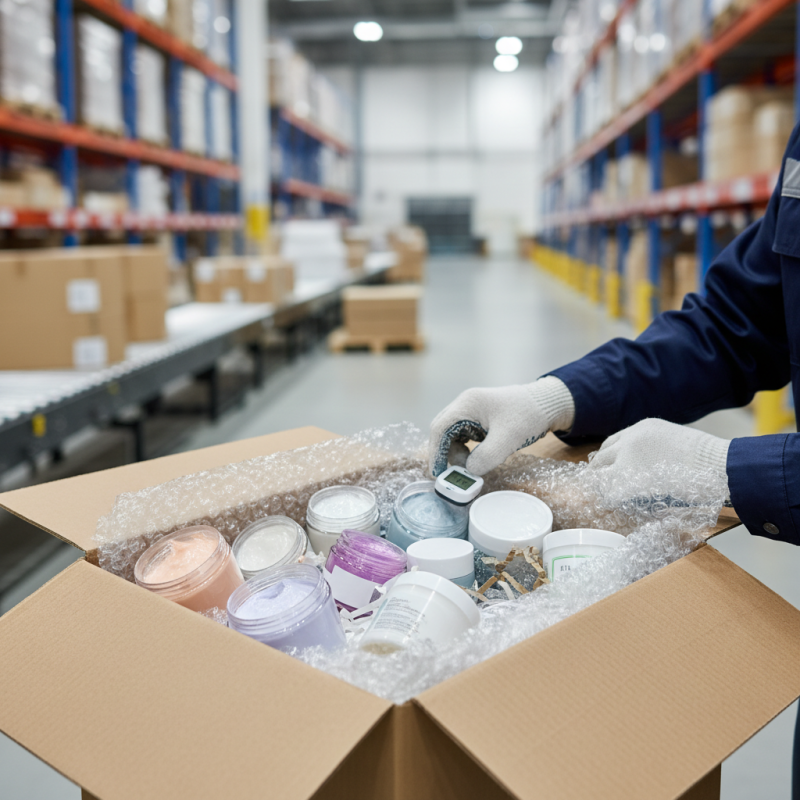
Selecting the right plastic jars for shipping is crucial for preventing damage. Look for jars made from high-density polyethylene (HDPE) or polypropylene (PP). These materials offer excellent impact resistance. They can withstand drops and sudden temperature changes during transit.
Consider the thickness of the jar walls. Thicker walls provide better protection against cracking. However, be mindful that overly thick jars may increase shipping costs. Aim for a balance between durability and weight. Additionally, double-check the design of the jar. A well-designed lid and a sturdy base can make a significant difference.
Conduct tests to assess the jars’ durability under different shipping conditions. Secure lids help prevent leaks and spills, which can lead to significant damage. Remember to read reviews and gather feedback from others who use similar jars. This collective experience can guide your choice. Ultimately, investing in the right jar is key to reducing shipping errors and ensuring product quality.
When shipping plastic jars, packaging materials play a crucial role in ensuring product integrity. Using high-quality cushioning materials can absorb shocks during transport. Consider materials like bubble wrap or foam inserts. These options create a buffer that helps prevent cracks.
The type of box matters as well. A sturdy, corrugated box can withstand more pressure than a flimsy one. If the box is too large, jars can shift and collide. This increases the risk of damage. Finding the right balance between padding and box size is essential. Too much space can be just as harmful.
Not all plastic jars are the same. Different plastics have varying resistance to impact and temperature changes. Knowing the specific properties of the jars being shipped is important. Using subpar materials or incorrect dimensions can lead to issues. Sometimes, reflective packaging tests are necessary, but not all companies take this step. Reflecting on these practices can lead to better shipping outcomes.
Shipping damage rates for plastic products are a significant concern within the logistics industry. A recent report from the Packaging Products Association reveals that nearly 20% of plastic containers face damage during transport. This offers critical insight into how manufacturers and shippers should approach packaging. The report highlights that inadequate cushioning and poor sealing are common culprits. When jars and containers are not properly secured, they can crack under stress.
Statistical analysis also shows that the materials used in production play a vital role. Flexible and impact-resistant plastics tend to fare better in shipping environments. Studies suggest that using high-density polyethylene (HDPE) can reduce fracture rates by up to 30%. Interestingly, nearly 15% of shipping damage occurs due to temperature fluctuations. Inconsistent temperatures can weaken plastic structures, making them more vulnerable during transit.
While these statistics provide a clear picture, the issue requires ongoing attention. Many companies overlook the importance of thorough testing protocols. Understanding the specific transport conditions can lead to better strategies. Despite advances, the statistics indicate that packaging failures remain prevalent. By focusing on these areas, the industry could see a reduction in overall damage rates.
Shipping plastic jars requires careful planning to prevent cracking. Effective cushioning techniques are vital. One common method is using bubble wrap. Wrap each jar individually. This provides a layer of protection against impacts. Ensure the wrap is thick enough. You don’t want it too tight. Otherwise, it might create pressure points.
Another technique involves using packing peanuts. Fill the box with these lightweight materials. They can absorb shock and keep jars from shifting. Consider using cardboard dividers. These separate jars within the box. They prevent contact and reduce the risk of cracking.
Sometimes, people overlook the type of box used. A box that is too large may allow jars to move around. A snug fit is essential, but not too tight. Always test your packing methods. A few trial shipments can help identify weaknesses in your approach. Adjust as necessary to ensure better protection for your jars.
When considering sustainable packaging solutions for plastic jars, it’s crucial to evaluate the materials used. Biodegradable plastic alternatives offer a promising option. These materials break down more quickly in the environment, reducing long-term waste. However, they may not always provide the same level of durability during shipping. It’s a critical trade-off.
Using recycled materials can also enhance sustainability. Recycled plastics can help lower carbon footprint. Yet, these materials may sometimes compromise structural integrity. This can result in cracking during transit, a challenge businesses need to address. Testing different weights and thicknesses can lead to better outcomes, but it requires time and investment.
Designing with minimalism in mind can reduce material consumption. Simple packaging that still protects the product is essential. Improvements can often be made through innovation. It’s worth exploring how varied shapes or closures can lead to stronger, more reliable designs. The journey towards sustainable packaging is ongoing and requires continuous reflection and adaptation.
: Packaging ensures product integrity. High-quality cushioning materials absorb shocks during transport, preventing damage.
Bubble wrap and foam inserts are effective. They create a buffer against impacts during shipping.
Sturdy, corrugated boxes are essential. They withstand pressure better than flimsy ones, reducing damage risks.
Yes, a box that's too large can allow jars to shift and collide. This increases the chance of cracks.
Flexible and impact-resistant plastics perform better. High-density polyethylene (HDPE) can reduce damage rates significantly.
Inconsistent temperatures can weaken plastic. Nearly 15% of shipping damage results from temperature fluctuations.
Yes, thorough testing can reveal weaknesses. Many companies underestimate this, which can lead to damages.
About 20% of plastic containers experience damage. This highlights critical areas for improvement in shipping practices.
Yes, they can identify potential weaknesses. Yet, not all companies implement these tests, which may hinder progress.
Inadequate cushioning and poor sealing are frequent problems. This often leads to cracks and compromised product integrity.
To effectively address the challenge of "How to prevent plastic jars from cracking during transport," it is essential to focus on several key strategies. First, selecting durable plastic jars designed for shipping is critical; these jars should withstand the rigors of transit. Understanding the impact of packaging materials on jar integrity can help in making informed choices that enhance protection during shipping.
Additionally, incorporating effective cushioning techniques can significantly mitigate the risk of damage. Proper cushioning materials can absorb shocks and prevent jars from colliding with each other or their surroundings. Lastly, considering sustainable packaging solutions not only aids in protecting the jars but also aligns with environmental best practices. By employing these best practices, businesses can reduce shipping damage rates for plastic products and ensure safe deliveries.
