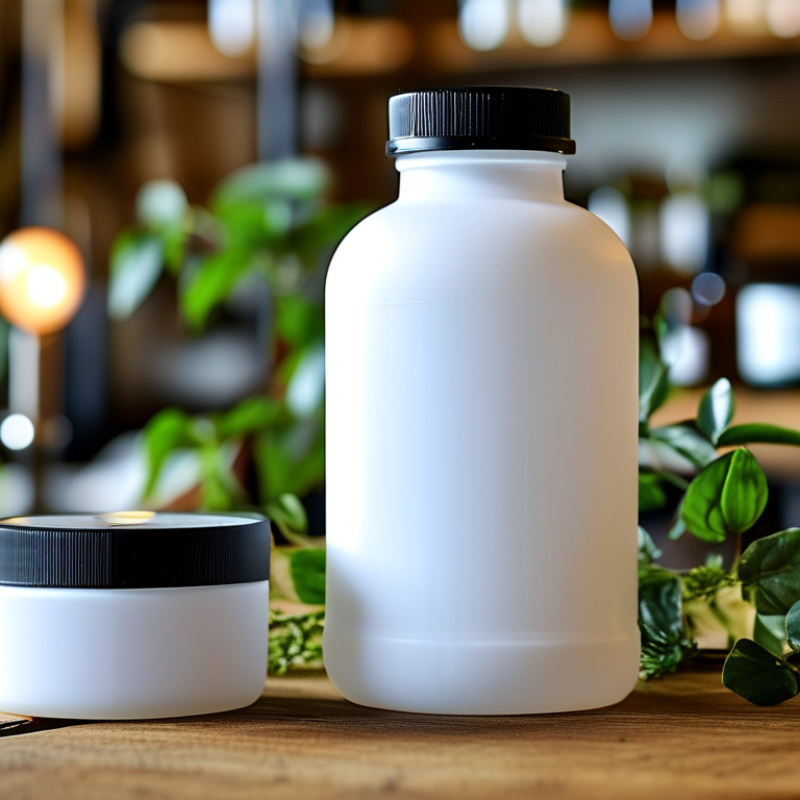
When considering materials for heavy-duty chemical skincare products, HDPE stands out. But why choose HDPE for heavy-duty chemical skincare products? This high-density polyethylene is often celebrated for its remarkable strength and resistance to various chemicals. HDPE provides excellent durability, making it ideal for skincare formulations that require robust packaging.
Additionally, HDPE is lightweight and easy to transport. Its resistance to impact ensures that products remain secure during shipping. However, not all products benefit equally from HDPE's properties. Some may fall short in terms of aesthetic appeal. Users seeking a luxurious feel might find HDPE's texture less desirable.
Nonetheless, HDPE continues to be a preferred choice for many heavy-duty applications. Its environmental credentials also raise questions. While recyclable, not all facilities accept HDPE, leading to potential waste issues. We must reflect on how to optimize its use. The balance of practicality and sustainability in packaging choices is crucial.
Understanding HDPE: Properties and Characteristics
HDPE, or High-Density Polyethylene, has become a popular choice for heavy-duty chemical products. Its unique properties make it an excellent option in various industries. HDPE is known for its high tensile strength, which allows it to withstand intense stress without deforming. This durability ensures that containers and pipes made from HDPE can handle harsh chemicals safely.
Moreover, HDPE is resistant to a wide range of chemicals, including acids and bases. This characteristic makes it suitable for storing and transporting substances that could damage other materials. The low moisture absorption rate further enhances its reliability in harsh environments. Users have reported that HDPE holds up well over time. However, some have noted that prolonged exposure to UV light can lead to degradation, which requires careful consideration depending on its application.
In addition to its mechanical strengths, HDPE is lightweight, making it easy to handle and transport. This can reduce costs in shipping and storage, but it also raises questions about stability under heavy loads. Some users have expressed concerns regarding the environmental impact of HDPE production and disposal. These factors drive the need for innovation in recycling HDPE to prolong its life cycle and reduce waste.
Advantages of HDPE for Heavy Duty Chemical Products
HDPE, or High-Density Polyethylene, is widely recognized for its outstanding durability and chemical resistance. This makes it an ideal choice for heavy-duty chemical products. According to a report from the Plastics Industry Association, HDPE is increasingly preferred over other materials due to its robustness and versatility. It exhibits excellent resistance to a wide range of chemicals, including acids, bases, and solvents, contributing to its application in various industries.
The material's unique molecular structure allows it to withstand high temperatures without losing integrity. Research shows that HDPE maintains its performance in extreme conditions, making it suitable for storage tanks and industrial containers. This reliability translates to reduced maintenance costs and enhanced safety for workers handling hazardous materials. Additionally, HDPE's longevity means fewer replacements, contributing to lower environmental impact over time.
Tips: When selecting HDPE products, consider the specific chemical properties you require. Always check for compatibility with the chemicals you will use. Also, think about the operational environment, as temperature and pressure can influence material performance. Engage with professionals who can provide tailored advice based on industry standards and practices. This proactive approach can ensure optimal results in your chemical handling and storage processes.
Top Reasons to Choose HDPE for Heavy Duty Chemical Products
This bar chart illustrates the key advantages of using HDPE (High-Density Polyethylene) for heavy-duty chemical products. The data represents the relative importance of each advantage as a percentage, highlighting HDPE's superior attributes, including its chemical resistance and durability.
Durability and Longevity: Why HDPE Excels
High-Density Polyethylene (HDPE) is a top choice for heavy-duty chemical products due to its superb durability and longevity. A recent report from the Plastics Industry Association highlighted that HDPE boasts a tensile strength exceeding 3,000 psi, making it resistant to punctures and impacts. This strength is crucial for containers that store corrosive substances. Moreover, HDPE can tolerate extreme temperatures, ranging from -40°F to 120°F, which adds to its adaptability in various industrial applications.
Another consideration is the material's resistance to chemicals. According to the American Society for Testing and Materials, HDPE does not degrade quickly when exposed to many acids and bases. This property is invaluable for industries that handle aggressive chemicals. Some professionals argue that, despite these advantages, proper handling and storage are vital, as HDPE can become brittle when subjected to certain conditions over time. Such observations prompt users to evaluate their specific usage scenarios carefully.
Sustainability is a rising concern. HDPE is recyclable, and when it's reprocessed, it maintains a degree of strength and reliability. Yet, it’s important to note that not all recycled HDPE is created equal. Understanding the sourcing of recycled material is essential for ensuring quality. Ultimately, while HDPE excels in durability, continual assessment of both performance and environmental impact is needed for responsible usage.
Chemical Resistance: HDPE's Performance Against Corrosive Substances
HDPE, or High-Density Polyethylene, is a go-to material in industries managing corrosive substances. Its remarkable chemical resistance makes it ideal for storing and transporting heavy-duty chemical products. Unlike other plastics, HDPE doesn't corrode due to exposure to many chemicals. It resists acids, bases, and even organic solvents. This durability can enhance safety in industrial environments.
The unique molecular structure of HDPE contributes to its resilience. It has strong intermolecular forces, which help it withstand harsh conditions. Cheaper materials might deteriorate over time or leach harmful substances. In contrast, HDPE maintains integrity and performance. Many manufacturers favor HDPE for creating chemical tanks and containers. Choosing HDPE can reduce replacement costs and improve reliability.
While HDPE excels in chemical resistance, there are aspects to consider. It has temperature limits, beyond which performance might decline. Not all chemicals are compatible with HDPE, prompting users to conduct compatibility testing. Awareness of these factors is crucial for ensuring long-term efficiency. Engaging with material experts can help identify the best applications for HDPE.
Sustainability and Environmental Impact of HDPE Choices
HDPE, or high-density polyethylene, plays an important role in sustainability. Its production process is designed to minimize waste and energy usage. This material is highly recyclable, which reduces environmental strain. In a world where plastic pollution exists, HDPE offers a more sustainable option.
HDPE products often utilize post-consumer recycled content. This choice not only conserves resources but also decreases landfill waste. By promoting recycling, HDPE helps to create a circular economy. Companies can engage in environmentally friendly practices while maintaining product durability and safety.
However, it's essential to recognize that not all HDPE products are created equal. Some manufacturing processes may not be as eco-friendly. Transparency in sourcing and production matters significantly. Consumers should be mindful of these factors and push for better practices in the industry.
FAQS
: HDPE is durable and has high tensile strength. It withstands stress without deformation, making it reliable for industrial use.
HDPE is resistant to many chemicals, including acids and bases. This makes it suitable for storing aggressive substances.
HDPE works well in temperatures from -40°F to 120°F. This adaptability is vital in various industrial applications.
Yes, some users worry about its production and disposal effects. Recycling efforts are essential for reducing waste.
Yes, prolonged UV exposure can cause degradation. Proper storage and handling are crucial to maintain its integrity.
HDPE is lightweight, making it easy to transport. However, there can be concerns about its stability under heavy loads.
HDPE is increasingly preferred for its robustness and versatility. It often outperforms other materials in harsh environments.
Consider the specific chemical properties needed and check compatibility with your intended chemicals for safe use.
HDPE reduces maintenance costs and enhances safety for workers dealing with hazardous materials due to its durability.
Quality varies in recycled HDPE; understanding its sourcing is important to ensure strength and reliability in usage.
Conclusion
Choosing HDPE (High-Density Polyethylene) for heavy-duty chemical skincare products is driven by its remarkable properties and characteristics. HDPE is known for its exceptional durability and longevity, making it an ideal choice for packaging that needs to withstand harsh conditions. Its robust nature ensures that products remain intact and effective over time, which is crucial in the skincare industry.
Moreover, HDPE exhibits impressive chemical resistance, effectively protecting contents from corrosive substances. This characteristic ensures that the integrity of the chemical formulations is maintained, providing safety and reliability for consumers. Additionally, HDPE is recognized for its sustainability and minimal environmental impact, as it is recyclable and often made from post-consumer materials. In summary, understanding why to choose HDPE for heavy-duty chemical skincare products highlights its advantages in durability, safety, and environmental responsibility.

 Vikas Plastic