How to Select the Best Plastic Bottle for Acidic Liquids?

Time:2026-05-11 Author:Sienna
0%

Selecting the appropriate plastic bottle for acidic liquids is crucial in many industries. Mark Albright, a leading expert in packaging solutions, says, "The right bottle can prevent chemical reactions and ensure safety." Understanding how to choose the right plastic bottle for acidic liquids involves various considerations.

Acidic liquids can react with some plastics, leading to container degradation. This degradation can cause leaks, contaminations, and safety hazards. Thus, material selection is fundamental. Polyethylene and polypropylene are often recommended due to their resistance to acids. However, the suitability of these materials largely depends on the liquid’s specific properties.

Another critical factor is the design of the bottle. A well-designed bottle ensures secure sealing and stability. These factors protect the liquid and the user. The bottle’s shape and size can also impact handling and storage. It's important to explore different options and see what fits your needs best. Reflection on these considerations can lead to better choices in packaging acidic liquids.
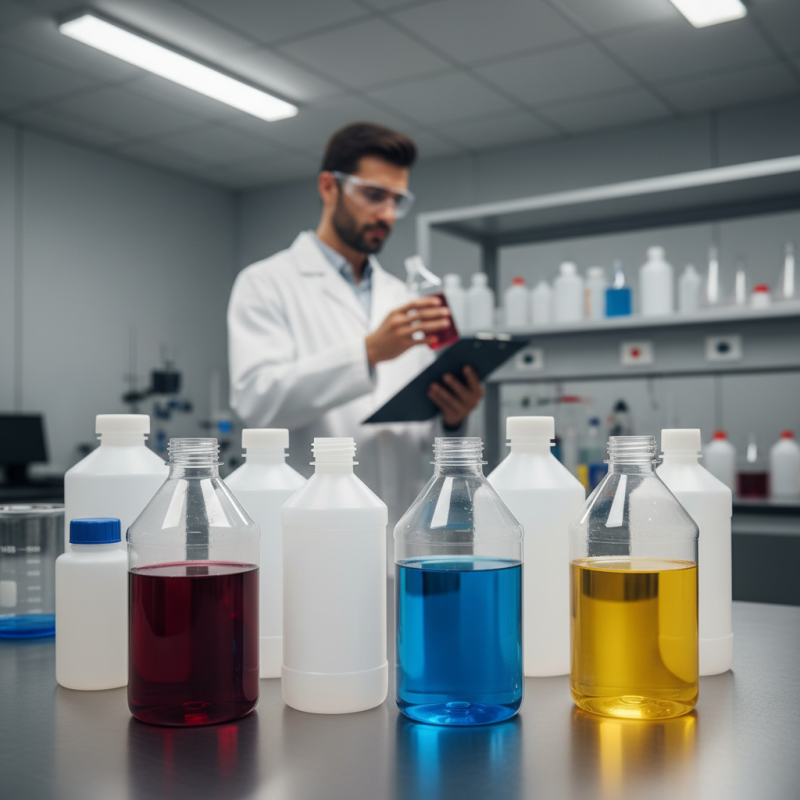
How to Select the Best Plastic Bottle for Acidic Liquids?

Understanding the Chemical Properties of Acidic Liquids

When selecting a plastic bottle for acidic liquids, understanding the chemical properties is crucial. Acidic substances can interact negatively with certain plastics, leading to degradation. Polyethylene and polypropylene are often recommended. They exhibit better resistance to acids compared to other materials. However, choosing the right one involves understanding how each plastic reacts with specific acids.

Different acids have varying strengths and properties. For example, hydrochloric acid is more aggressive than acetic acid. This variance means that not all plastics are suitable for every application. Testing is essential. Some plastics may appear intact but begin to break down over time. This hidden deterioration can compromise the safety of your liquids. Consider the storage conditions as well; heat and sunlight can exacerbate plastic degradation.

In summary, a deep understanding of acidic liquids is essential when choosing a plastic bottle. Being aware of chemical compatibility helps ensure safety and performance. Avoid assumptions. Always conduct thorough research and, if possible, seek expert advice. This approach is vital in making informed decisions in applications involving acidic substances.

Types of Plastics Suitable for Storing Acidic Liquids

When it comes to selecting the right plastic bottle for storing acidic liquids, not all plastics are created equal. Some types of plastic can degrade or leach harmful chemicals when in contact with acids. Polyethylene terephthalate (PET) is often recommended for this purpose. It is resistant to various chemicals and maintains its structure over time. However, PET can struggle with stronger acids under certain conditions.

High-density polyethylene (HDPE) is another suitable option. This material is durable and has a high resistance to acids. It's commonly used for laboratory and industrial applications. While HDPE can handle many acidic substances, it’s essential to note that prolonged exposure to certain acids can alter its properties. Understanding the specific acids your bottle will encounter is crucial.

Polypropylene is also a strong contender for acid storage. It offers excellent resistance to many chemical reactions. Yet, be mindful that not all polypropylene bottles can withstand high heat. The choice of plastic should always align with the nature of the acidic liquid and the storage conditions. Testing and research are necessary to ensure safety and integrity in each case.

How to Select the Best Plastic Bottle for Acidic Liquids? - Types of Plastics Suitable for Storing Acidic Liquids

Plastic Type Chemical Resistance Temperature Resistance Common Uses
HDPE (High-Density Polyethylene) Excellent -50°C to 120°C Chemicals, detergents
PP (Polypropylene) Good -20°C to 130°C Food containers, laboratory use
PET (Polyethylene Terephthalate) Fair -40°C to 60°C Beverage bottles, food packaging
PVC (Polyvinyl Chloride) Variable -15°C to 60°C Construction, plumbing
FEP (Fluorinated Ethylene Propylene) Excellent -200°C to 200°C High-performance applications

Key Factors in Selecting the Right Plastic Bottle for Acids

Selecting the right plastic bottle for acidic liquids is crucial. Not all plastics can withstand corrosive substances. Polyethylene (PE) and polypropylene (PP) are popular choices. They show good resistance to acids and are durable. However, factors like temperature and concentration also matter.

Consider the bottle's wall thickness. Thicker walls provide better protection against leaks. But they can also make the bottle heavier and bulkier. While lightweight bottles are easier to handle, they may not offer the same durability. Evaluate the balance between weight and robustness based on your needs.

Compatibility with the specific acid is essential. Testing with small quantities can prevent potential reactions. Always check the manufacturer's specifications for compatibility. It's easy to overlook this detail, which could lead to failure. Be cautious and mindful of all these factors when making your choice.

Industry Standards and Regulations for Acidic Liquid Containers

When selecting containers for acidic liquids, industry standards play a crucial role. Organizations such as the American National Standards Institute (ANSI) and ASTM International outline essential safety and performance criteria. These guidelines ensure that products resist corrosion and leakage. As per a 2021 OSHA report, over 30% of workplace incidents relate to improper storage of acidic substances. Therefore, adhering to these standards not only safeguards workers but also the environment.

For effective selection, consider the material’s resistance to specific acids. Polyethylene and polypropylene are often favored due to their excellent resistance properties. Additionally, always check the manufacturer's compliance certificates with recognized standards. Some reports indicate that more than 25% of containers fail to meet basic leak-proof criteria. Using audited containers can significantly reduce waste and exposure risks.

Tips: Always prefer containers with visible labels indicating the type of acid. This simple step can prevent mix-ups. Regularly inspect containers for wear and damage. A minute crack can lead to leaks, causing safety hazards. Thorough understanding of regulations is essential for responsible handling and storage. Balancing cost and compliance is challenging but necessary in mitigating risks.

Long-term Effects of Acids on Plastic Materials and Longevity

When handling acidic liquids, selecting the right plastic bottle is crucial. Long-term exposure to acids can significantly affect the integrity of various plastic materials. Some plastics, like polyethylene (PE) and polypropylene (PP), show considerable resistance to acidity. A 2019 study published in the Journal of Materials Science found that these materials retain their mechanical properties even after prolonged contact with acidic substances.

However, not all plastics are equally durable. Polyvinyl chloride (PVC) can degrade over time when exposed to strong acids. This degradation can lead to leaks and contamination of the liquid inside. A report from the American Chemistry Council highlights that even minor chemical interactions can reduce the lifespan of plastic containers significantly. Therefore, understanding the chemical compatibility of bottles with specific acids is essential.

The longevity of plastic materials in acidic environments also depends on temperature and concentration factors. A temperature increase can accelerate degradation. Reports suggest that high temperatures can decrease the lifespan of PE bottles by as much as 30%. This variability illustrates the need for careful consideration when selecting containers for acidic liquids. It's important to prioritize durability to prevent product loss and potential safety hazards.

FAQS

: What types of plastics are suitable for storing acidic liquids?

: Polyethylene, polypropylene, and polyethylene terephthalate are commonly recommended for acidic liquids.

Why is it important to understand the chemical properties of acidic liquids?

Understanding properties helps prevent negative interactions that can degrade the plastic and compromise safety.

How do different acids affect plastic bottles?

Acids like hydrochloric are stronger than acetic acid, influencing the choice of plastic materials.

What should I consider when selecting a bottle for acids?

Factors include temperature, acid concentration, and the bottle’s wall thickness to prevent leaks.

Can plastic bottles degrade over time even if they appear intact?

Yes, hidden deterioration can happen, so testing and proper storage conditions are crucial.

What happens if I use the wrong plastic for a specific acid?

Using unsuitable plastic can lead to chemical reactions that may cause leaks or product contamination.

How does temperature affect plastic suitability for acidic liquids?

Heat can exacerbate plastic degradation, leading to safety risks over time.

What role does bottle wall thickness play?

Thicker walls enhance durability but may increase weight. Balance your needs carefully.

Should I conduct tests before full-scale use of acidic liquids?

Absolutely. Testing small quantities can help prevent dangerous reactions.

Why is expert advice important in selecting plastic bottles?

Experts can provide insights on compatibility and help avoid overlooked details that could lead to failure.

Conclusion

When considering how to choose the right plastic bottle for acidic liquids, it is crucial to first understand the chemical properties of the acids involved. Acidic liquids require specific types of plastics that can withstand corrosion without degrading. Commonly used plastics include polyethylene and polypropylene, which are known for their resistance to acids.

Key factors to consider include the bottle material, compatibility with the specific acid, and the intended storage duration. Additionally, adhering to industry standards and regulations is essential to ensure safety and effectiveness. It’s important to recognize the long-term effects of acids on plastic materials, as prolonged exposure can lead to deterioration. By carefully analyzing these aspects, one can effectively select a plastic bottle that not only maintains the integrity of the acidic contents but also ensures safe storage.

Sienna

Sienna

Sienna is a skilled marketing professional with a deep expertise in our company’s core products and services. With a passion for innovation and detail, she plays a pivotal role in crafting insightful blog posts that not only highlight the unique features of our offerings but also provide valuable......